
It felt like a strange twist of digital irony. I had just finished writing and publishing my personal take on the latest issue of the Wirtschaft Südwestsachsen business newspaper. The publication featured a prominent warning about the rising wave of cyberattacks targeting small enterprises. As soon as I hit publish and looked back at my dashboard, I noticed my own site was already fighting off a malicious bot attack.
Critical Warnings From Wirtschaft Südwestsachsen
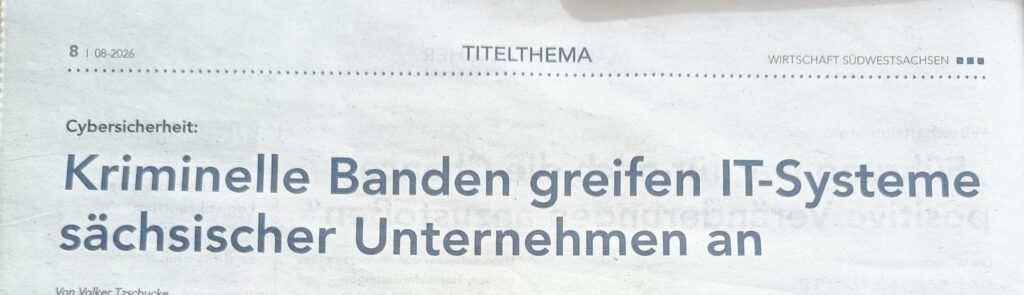
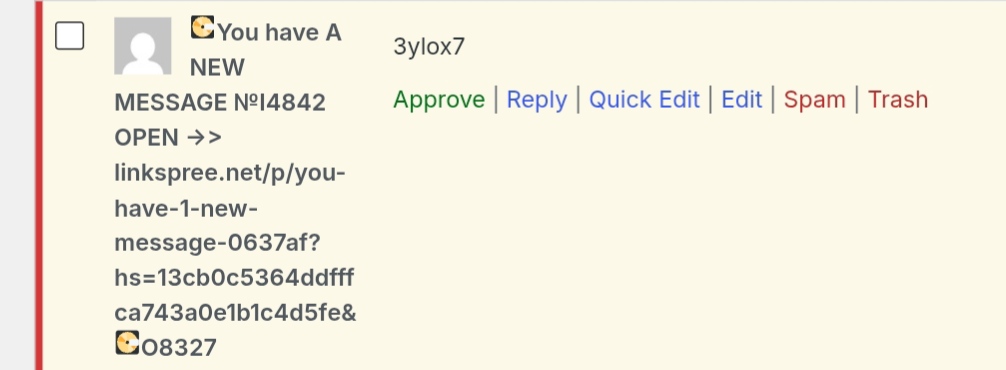
Above is a cropped picture of a featured article in Wirtschaft Südwestsachsen and below is a cropped screenshot of a malicious bot message I got.

I hovered over to look, and there it was: my very first direct hit.
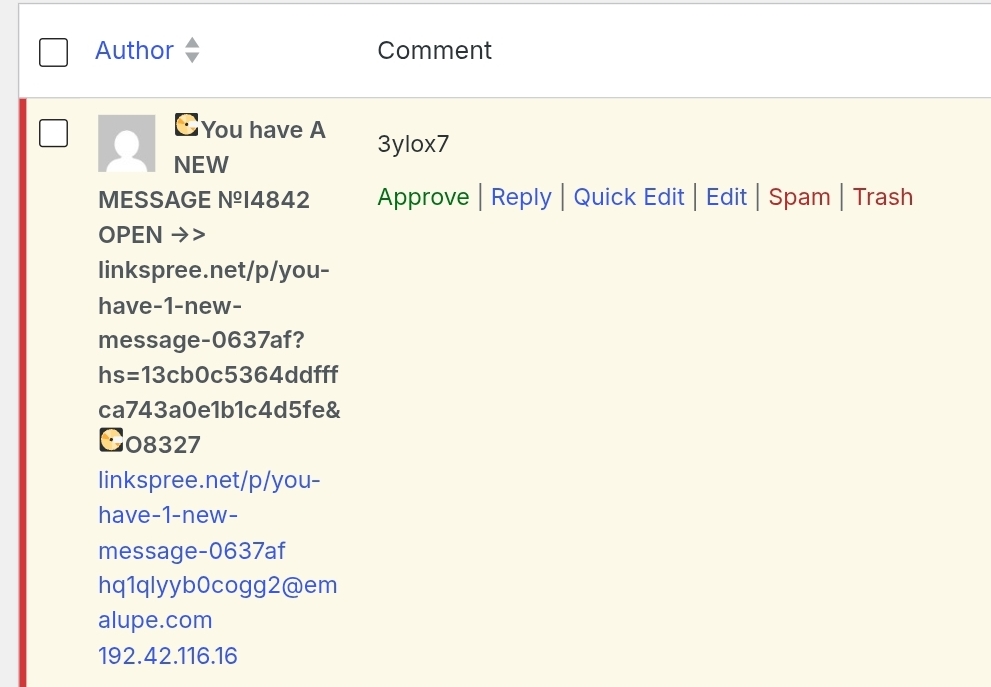
A coordinated, automated bot attack was sitting right in my moderation queue. Seeing a cyberthreat land on my own platform seconds after sharing a post about that exact topic was a massive wake-up call. It proves that no business is too small to be targeted. Fortunately, our defenses held perfectly, and the attack was completely neutralized. Here is a look behind the scenes at what happened, what the bots were trying to do, and how we locked things down.
🔍 Anatomy of the Attack: The “Fake Notification” Trap
The attack didn’t come from a hacker trying to guess passwords; it came from an automated spam script. The bot targeted our comment section right under the post about the AOK Official Decisions: Will I pay more Health Insurance because of my side Hustle?
The attackers used a psychological trick known as social engineering. The comment was explicitly designed to look like an urgent administrative alert, reading: You have A NEW MESSAGE №14842 OPEN.
They wanted me to panic or get curious, thinking a critical message was waiting for me. Hidden inside that fake notification were malicious redirect links (linkspree.net) routing back to randomized, globally blacklisted burner emails (@emalupe.com).
🛑 What Were the Hackers After?
When bots flood a business site with these comments, they usually have two goals:
First is SEO Poisoning: If I had accidentally clicked “Approve,” those malicious links would have gone live on my website. Search engines like Google heavily penalize sites that link out to dangerous, untrustworthy domains, which would ruin our local search rankings.
Second is Phishing Traps: If an innocent visitor clicked those links, they would be redirected to external networks designed to steal credentials or execute malware downloads.
🛡️ How We Fortified Our Defenses Immediately
Rest assured, our client data and site security remain 100% secure and untouched.
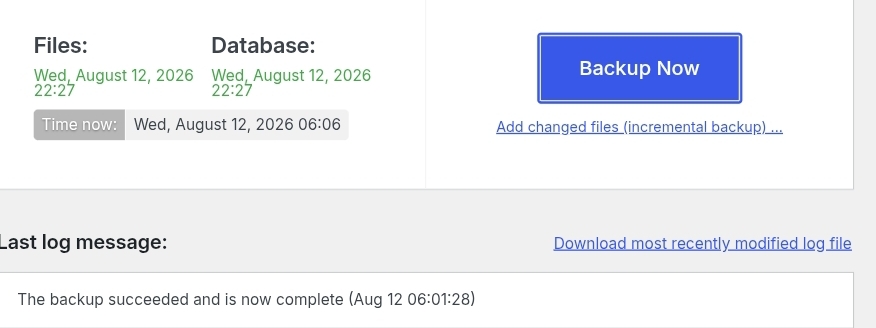
To make sure these automated scripts never clutter our queue again, we immediately upgraded our site’s security stack. We ran a full system backup via UpdraftPlus and integrated Antispam Bee—a powerful, localized filter.
Here is snapshot of Updraftplus Back up:
Here is Snapshot of Anstispam Bee:
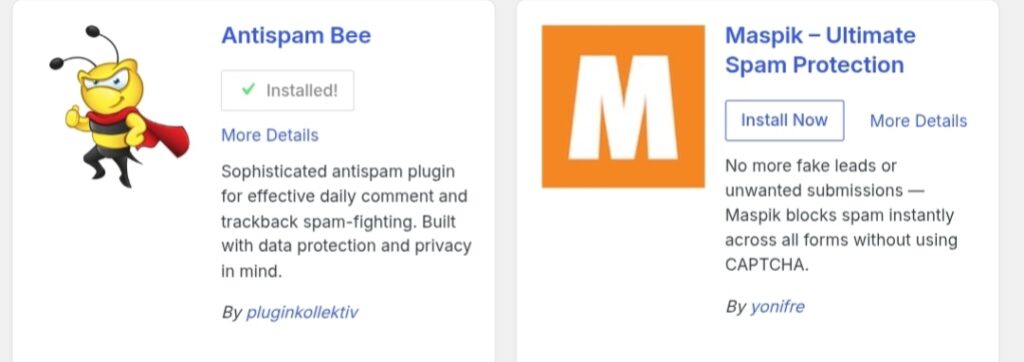
Because we operate in Germany, keeping things DSGVO (GDPR) compliant is a top priority. Unlike other common plugins that send your site data to external servers across the Atlantic, our new shield filters out bot footprints locally right on our server.
The Wirtschaft Südwestsachsen warning was a timely reminder: digital security isn’t something you set and forget. It is an ongoing process of staying vigilant, backing up your data, and keeping your digital doors locked tightly. Being proactive in security on top of running your business can be exhausting. Having a blueprint for guarding your inner focus and human essence in an increasingly unsafe world really helps. Check out my blueprint Resilient Kindness. Stay safe and keep on hustling 💪.
Leave a Reply