For a lean digital media operation built around self-publishing, online marketing, and digital content monetization, understanding the macro-frameworks of creative infrastructure is a valuable asset. Observing how large-scale networks coordinate and deploy resources provides excellent insights into operational design, scalability, and decentralized collaboration.
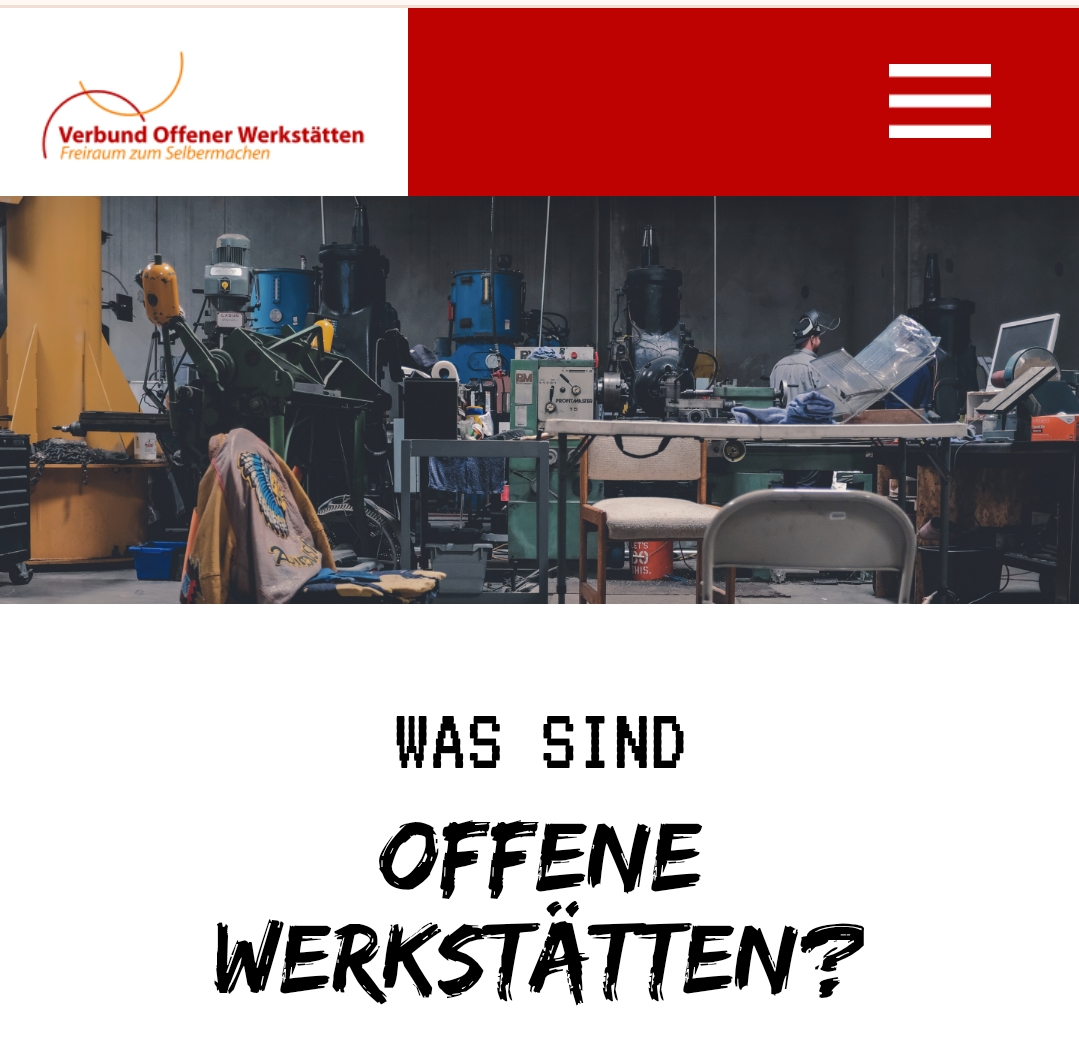
Recently, Sentinel Blueprint had the opportunity to participate in a federal online session hosted by the Verbund Offener Werkstätten (VOW).
The exchange circle, which took place yesterday evening, provided a transparent look into how decentralized creative spaces, makerspaces, and labs across Germany collectively organize, scale, and access structural assistance. The session anchored its focus around three vital pillars: the historical foundation of the network, the modern membership architecture, and the collaborative mechanics of their interactive exchange circles (Austauschrunden).
The Historical Foundation: From Grassroots to a Federal Network
Analyzing the capability of the German maker movement requires understanding its historical trajectory. During the session, the network’s evolution highlighted a crucial structural truth: long-term sustainability thrives on shared infrastructure.
The Organic Phase: VOW originated as a decentralized response to an emerging societal shift. Grassroots community workshops, traditional craft spaces, and high-tech labs were popping up independently across Germany. While highly creative, these spaces initially operated in individual silos, navigating complex administrative burdens and regional regulatory pressures on their own.
The Federal Consolidation: Realizing that isolated nodes face operational ceilings, organizers formalized the Verbund Offener Werkstätten as a registered federal umbrella association (Bundesverband). By centralizing their collective infrastructure, they transformed a loose collection of independent spaces into a unified national network capable of sharing knowledge, setting safety standards, and interfacing directly with institutional bodies.
The Membership Architecture: Protecting Autonomy and Compliance
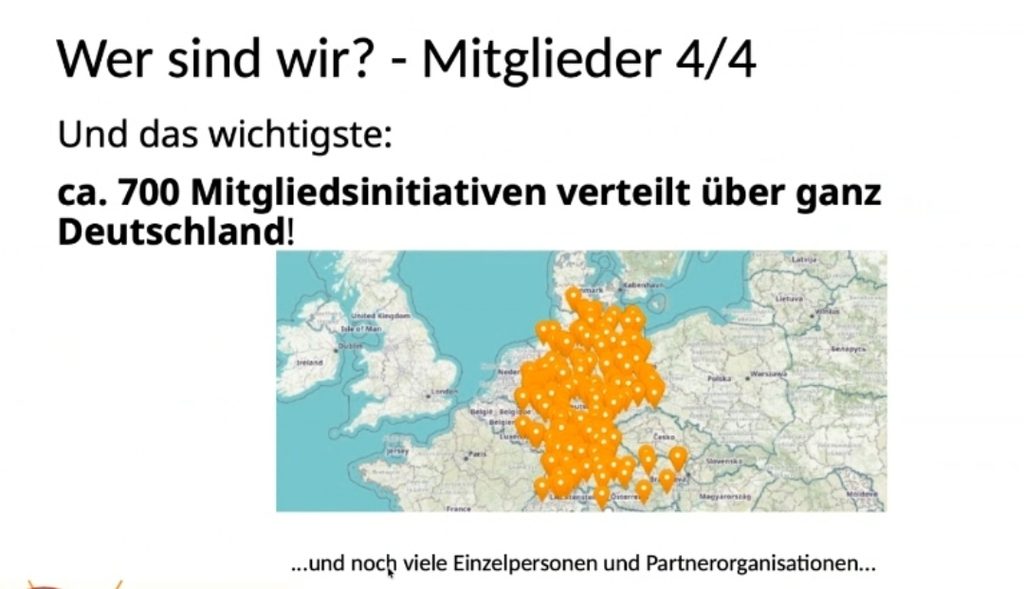
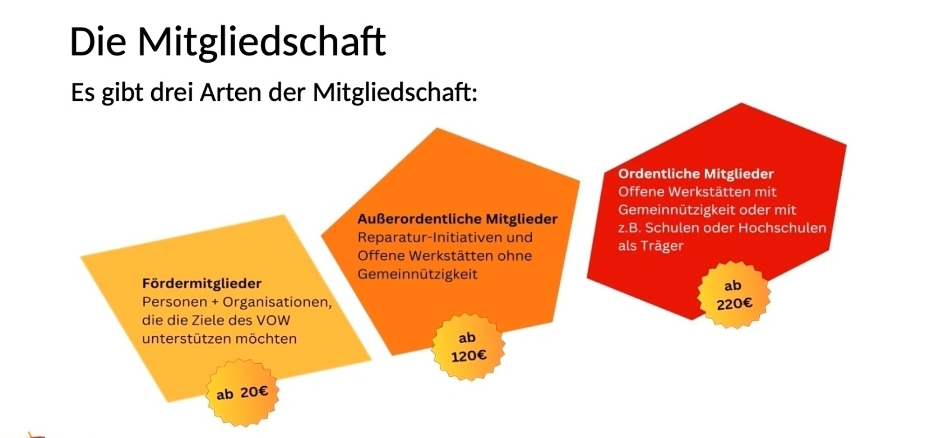
A major highlight of the meeting was the breakdown of VOW’s membership design. For an independent business operator, observing how a federal association manages hundreds of distinct nodes while maintaining compliance is highly educational.
VOW’s framework does not demand absolute structural assimilation. Instead, it acts as a modular support system designed to protect the legal, financial, and operational health of its members through a centralized infrastructure library:
Structural Assistance and Consulting: VOW deploys dedicated consulting teams to help spaces navigate complex regulatory environments. They provide optimized blueprints for association bylaws (Muster-Satzungen), tax compliance guidelines for non-profits (Gemeinnützigkeit), and data protection standards (GDPR).
Centralized Legal & Insurance Shields: One of the steepest operational overheads for any physical workshop or hardware-focused entity is liability management. VOW handles this at scale by providing pre-negotiated, comprehensive framework insurance policies (Haftpflichtrahmenverträge). This centralized shield allows individual spaces to manage systemic risks without being buried by individual enterprise overhead.
The Exchange Circles: Active Dialogue and Low-Friction Inclusion
The true operational pulse of VOW is felt in its Exchange Circles—the exact digital forum Sentinel Blueprint attended. What made this session remarkably effective was its transparent, collaborative, two-way structure and its seamless alignment with modern, demanding workflows.
The digital meeting was perfectly timed for working professionals, held entirely online yesterday between 18:00 and 19:30. This slot made it possible to transition directly and smoothly into attendance straight after a demanding hospital operating room shift, completely eliminating the scheduling friction that often complicates traditional organizational participation.
Beyond accessibility, the hallmark of the session was its cultural commitment to open inclusion. When introducing myself, I transparently shared that I am a former member of FabLab Chemnitz and that I did not have an active workshop project or specific operational data to contribute to the agenda. The moderator warmly encouraged me to remain in the forum, listen in on the structural workflows, and participate as a sovereign observer.
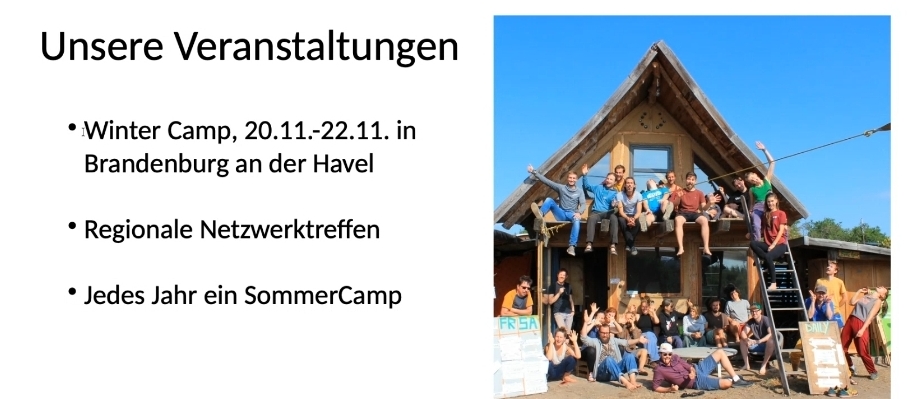
Rather than delivering a top-down lecture, the coordinators actively opened the floor to real-world hurdles, directly asking the attendees what specific issues and roadblocks they were currently facing in their environments.
A Direct Pipeline for Concerns: By inviting participants to share their immediate bottlenecks, VOW proved that its exchange circles function as a live, practical problem-solving engine.
Operational Flexibility: By utilizing secure, browser-based digital meeting platforms, VOW eliminates the geographical and physical scheduling barriers. Information and solutions are shared transparently, allowing independent creators and operators to pull verified legal metadata or structural insights exactly when their individual workflow allows.
Would you recommend it?
Yes. If you want to connect with a truly open, collaborative, and inclusive community, I highly recommend checking out the Verbund Offener Werkstätten (VOW). Whether you run a space or are just curious about the maker movement, their network is incredibly welcoming and absolutely worth exploring.
Leave a Reply