
For any solo digital creator or side-hustler, keeping fixed operational overhead low while retaining total logistical flexibility is a constant balancing act. When launching projects like Sentinel Blueprint, committing capital to a depreciating asset like a private vehicle or membership fees that bring no results rarely makes fiscal sense.
When possible, I would preferably use public transport to minimize the environmental impact of my travels. I even choose digital meetings when available. This weekend, a high-stakes logistical challenge proved exactly why my strategic decision to invest in a teilAuto cooperative membership (Genossenschaft) was not just a lifestyle choice, but an excellent business investment with tangible utility when public transport isn’t a viable option.
The Decentralized Asset Network vs. Ownership Risk
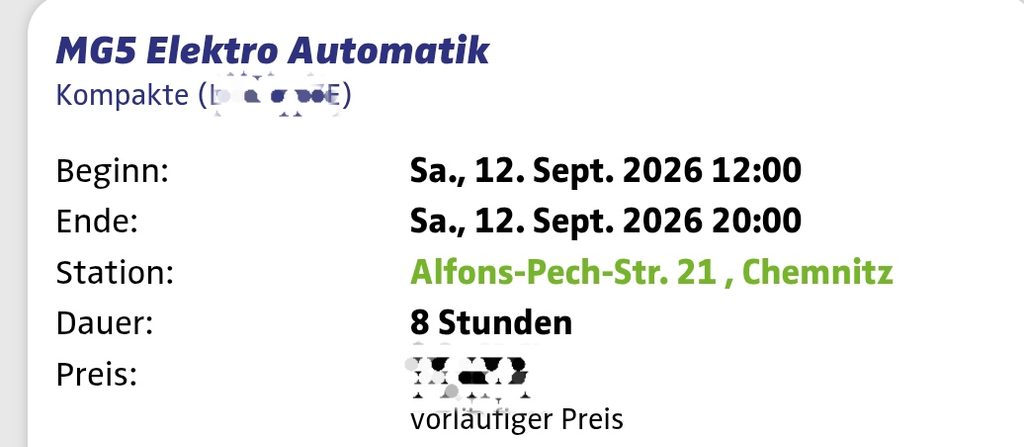
My weekend logistics began with two separate, hour-specific reservations. I originally booked an electric MG5 Elektro automatic for a few hours on Friday evening right after my nursing shift to travel to an event at Bowlingtreff Zschopau, and a separate time slot on Saturday for our Anesthesia Team outing.
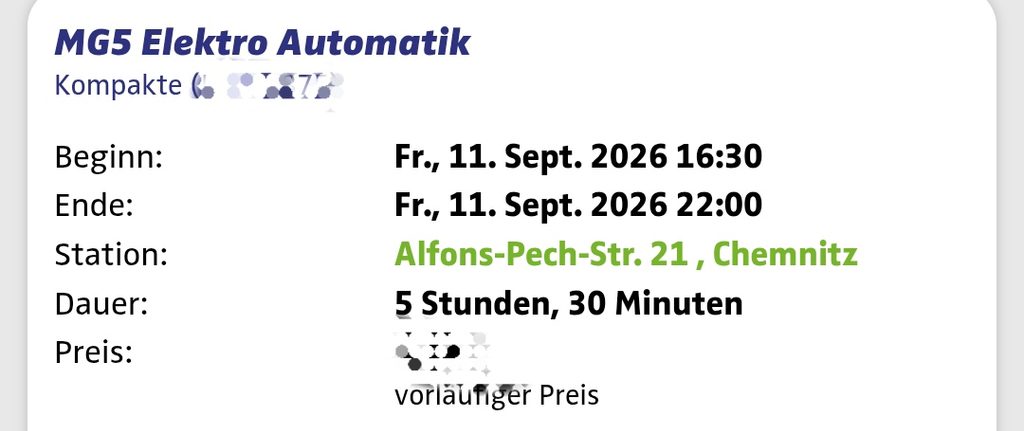
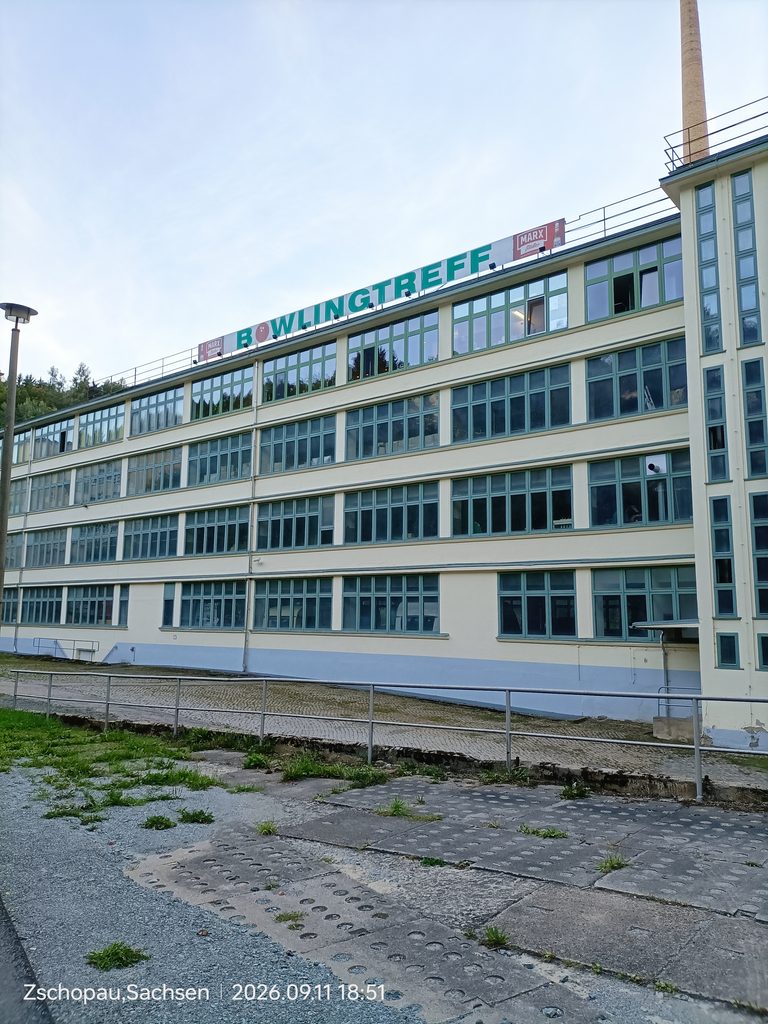
On Friday afternoon, my pre-trip safety inspection revealed a potential compromise in the brake quality. Refusing to compromise on safety, I cancelled the booking instantly and pivoted to the local bus network to reach the venue.
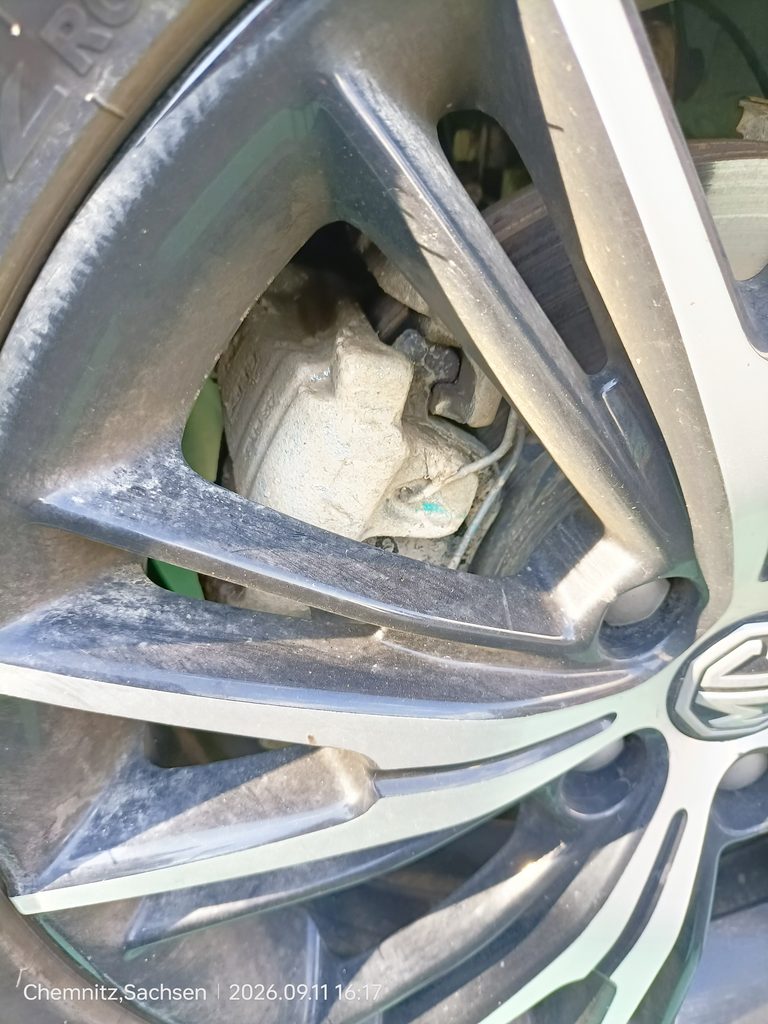
In hindsight, this situation highlighted a massive structural benefit of car-sharing over private ownership. If a privately owned vehicle suffers a mechanical failure, a safety issue, or sudden animal damage (Marderbiss), the owner faces immediate operational paralysis and unexpected repair bills. By contrast, a teilAuto cooperative membership buys access to a decentralized, redundant fleet spread across Chemnitz. If one node fails, you simply pivot to another.
Saturday Morning: A Time-Critical Logistical Sprint
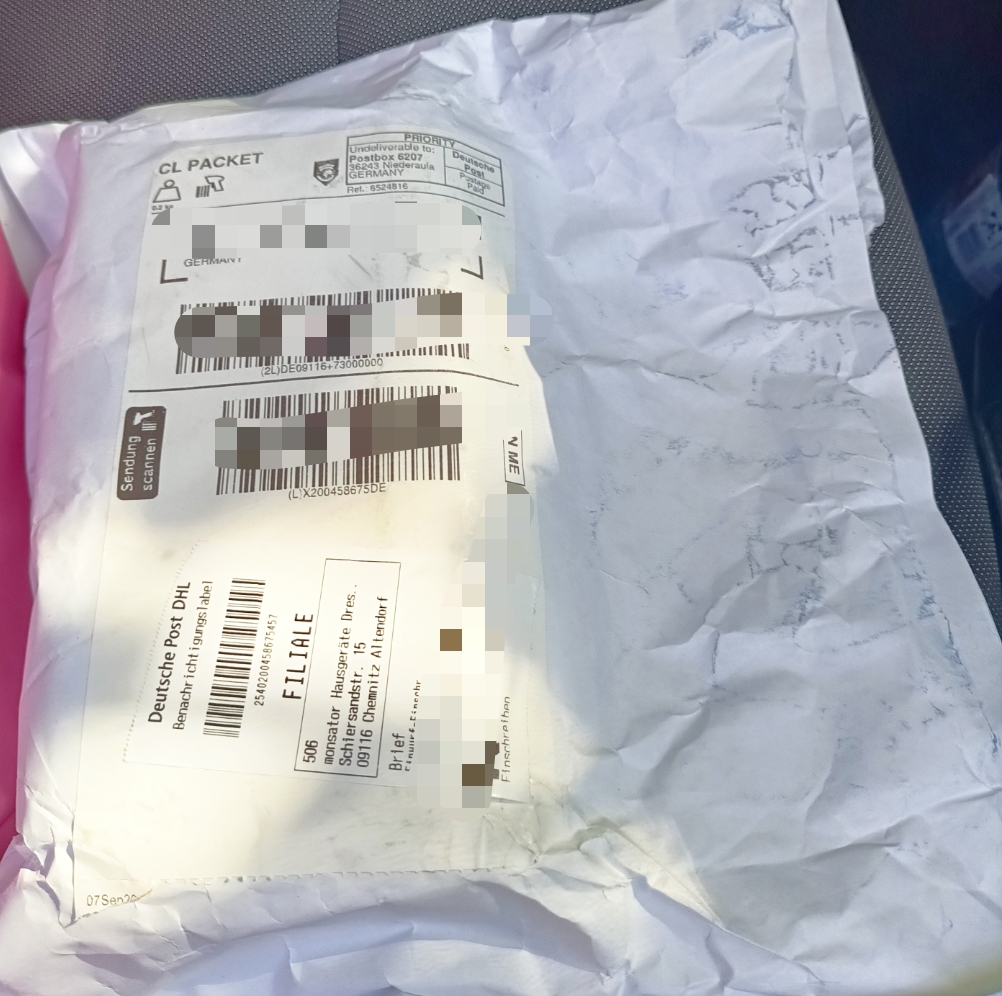
On Saturday morning, a time-sensitive operational issue arose. An essential business package arrived, but it could only be retrieved from a DHL office near Packstation 506 in Chemnitz. Because it was Saturday, the facility closed strictly at 12:00 PM.
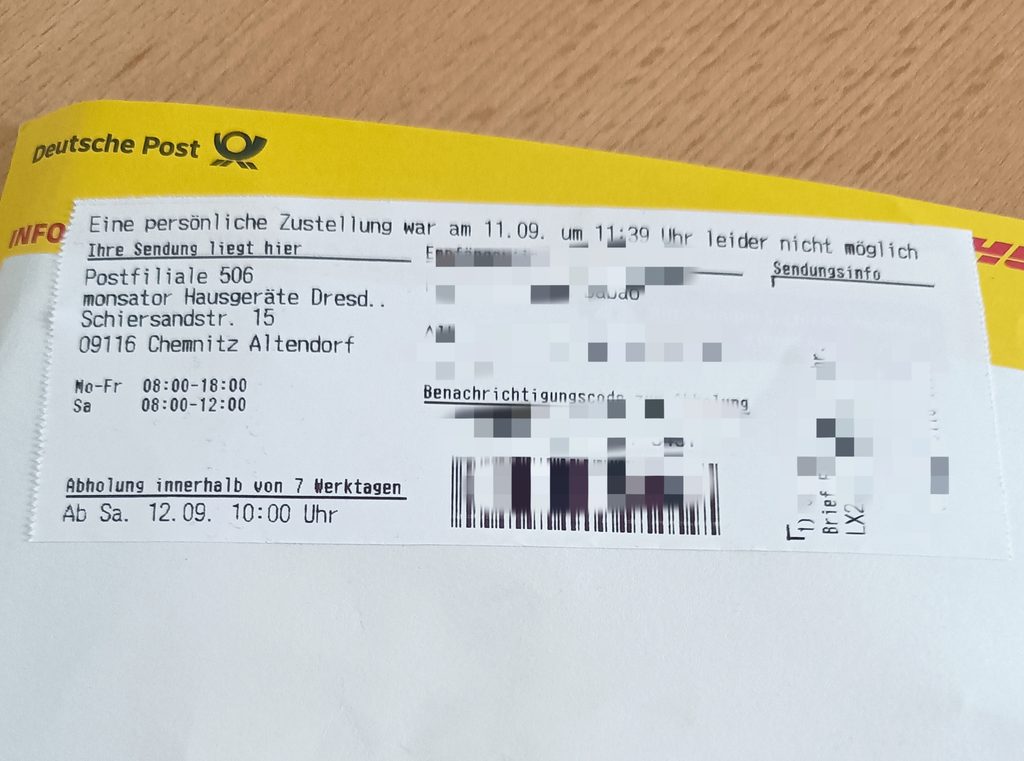
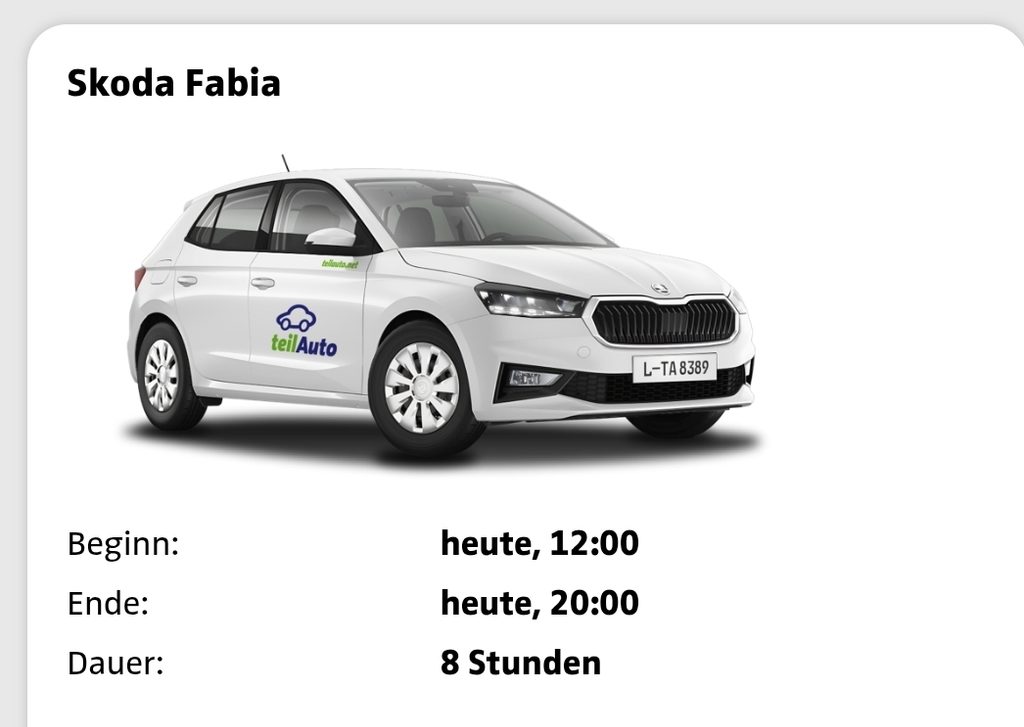
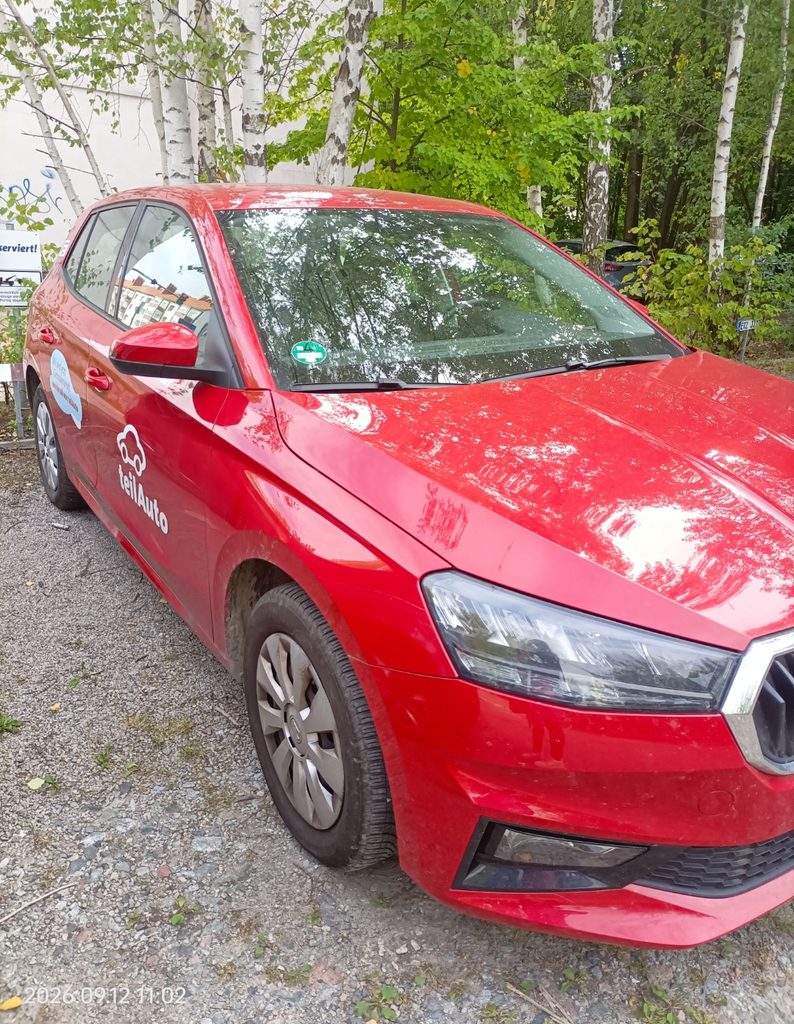
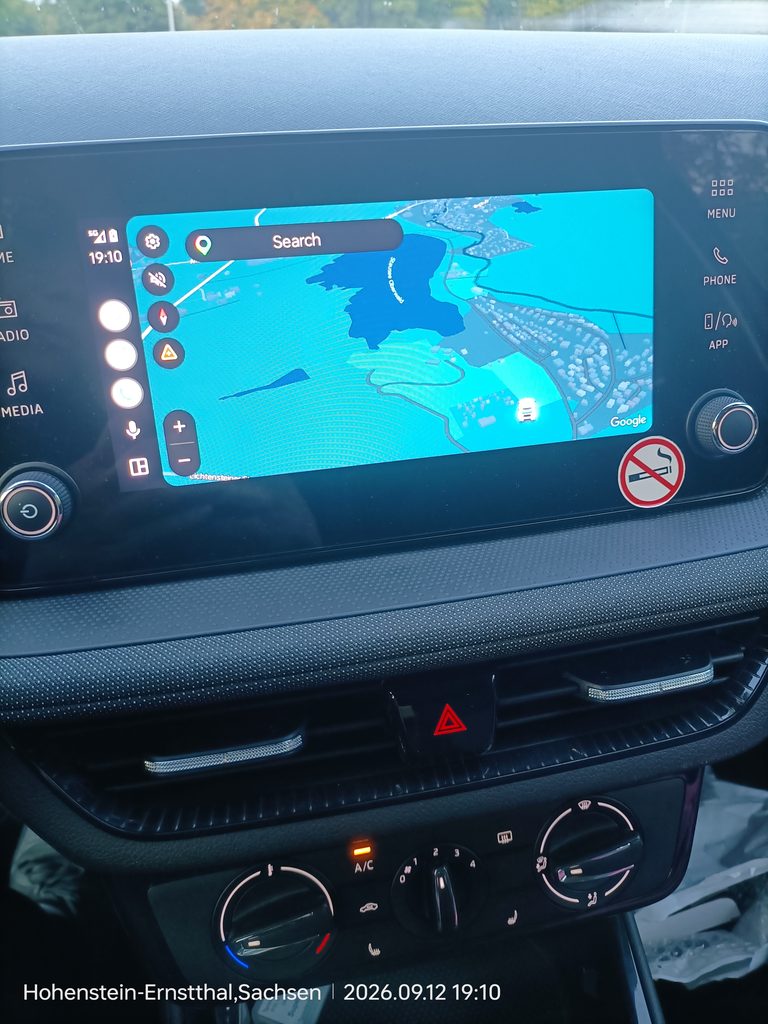
To secure the package, I advanced my Saturday afternoon rental by an hour. While no cars were available in my immediate neighborhood, teilAuto’s dense regional network allowed me to instantly secure a manual Skoda Fabia on Claußstraße.
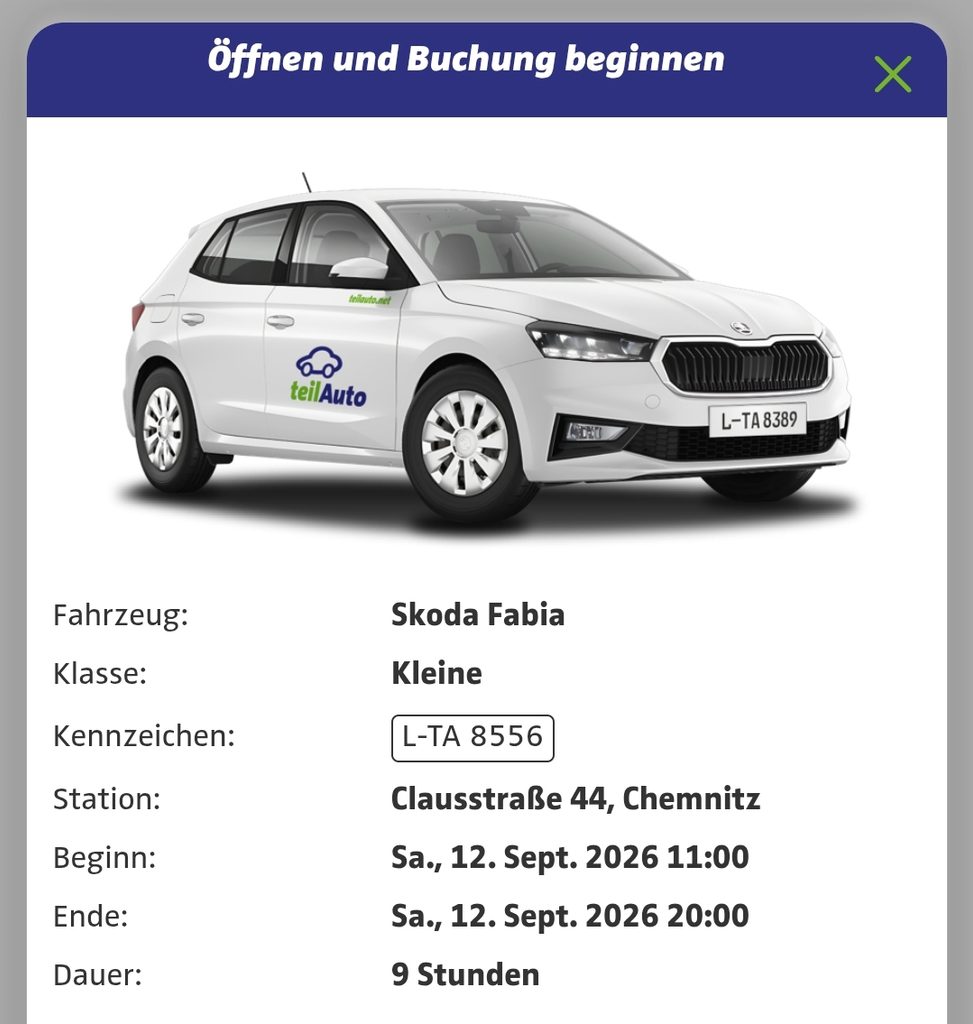
I unlocked the vehicle at exactly 11:02 AM. Because I was navigating to entirely unfamiliar destinations, I dedicated the first few minutes to configuring the cockpit and adapting to the vehicle’s manual navigation setup. While configuring an unfamiliar system under a strict deadline requires clear focus, having a true manual gearbox proved to be an operational advantage. Manual shifting offers distinct mechanical precision, making tight urban maneuvering and parking significantly more comfortable than a disconnected automatic drivetrain—such as the electric Citroën ë-C3 I had driven previously. The Skoda’s cockpit felt grounded and functional—a welcome contrast to the digitized, over-sensitized VW Tiguan I used during my practical driving exam in Germany. Instead of intrusive, disruptive digital sensor alarms, the Fabia provided clear, simple acoustic feedback.
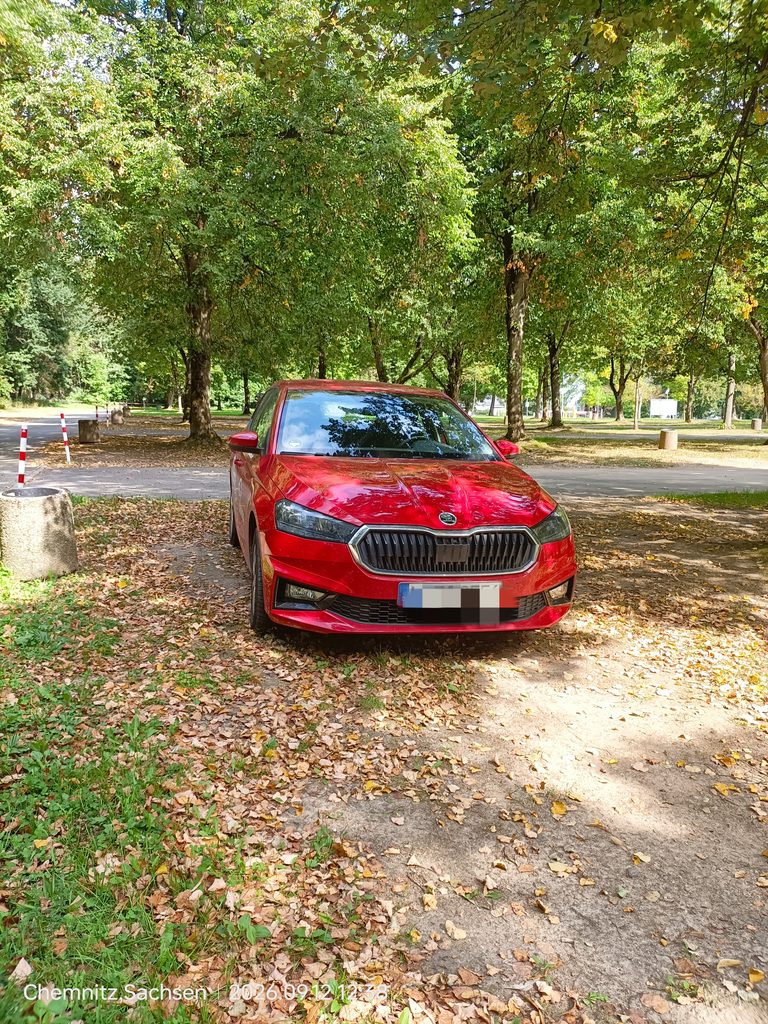
Once underway, the route turned into a true urban test. Chemnitz was navigating a myriad of active road construction projects, leading my navigation system down unexpected dead ends, wrong-way restrictions, and tight detours. To compound the stress, while searching for the exact entrance of the Postfiliale on foot, I inadvertently stepped in dog poop on the pavement. I had to pause, clean my left shoe thoroughly to avoid tracking debris into the clean rental asset, and execute the pick-up. Thankfully, the mess came off easily. Thanks to the agility of the manual Fabia, I secured the package right before the noon deadline and proceeded to Kletterwald Rabenstein to meet my team.
Team Dynamics and High-Speed Navigation
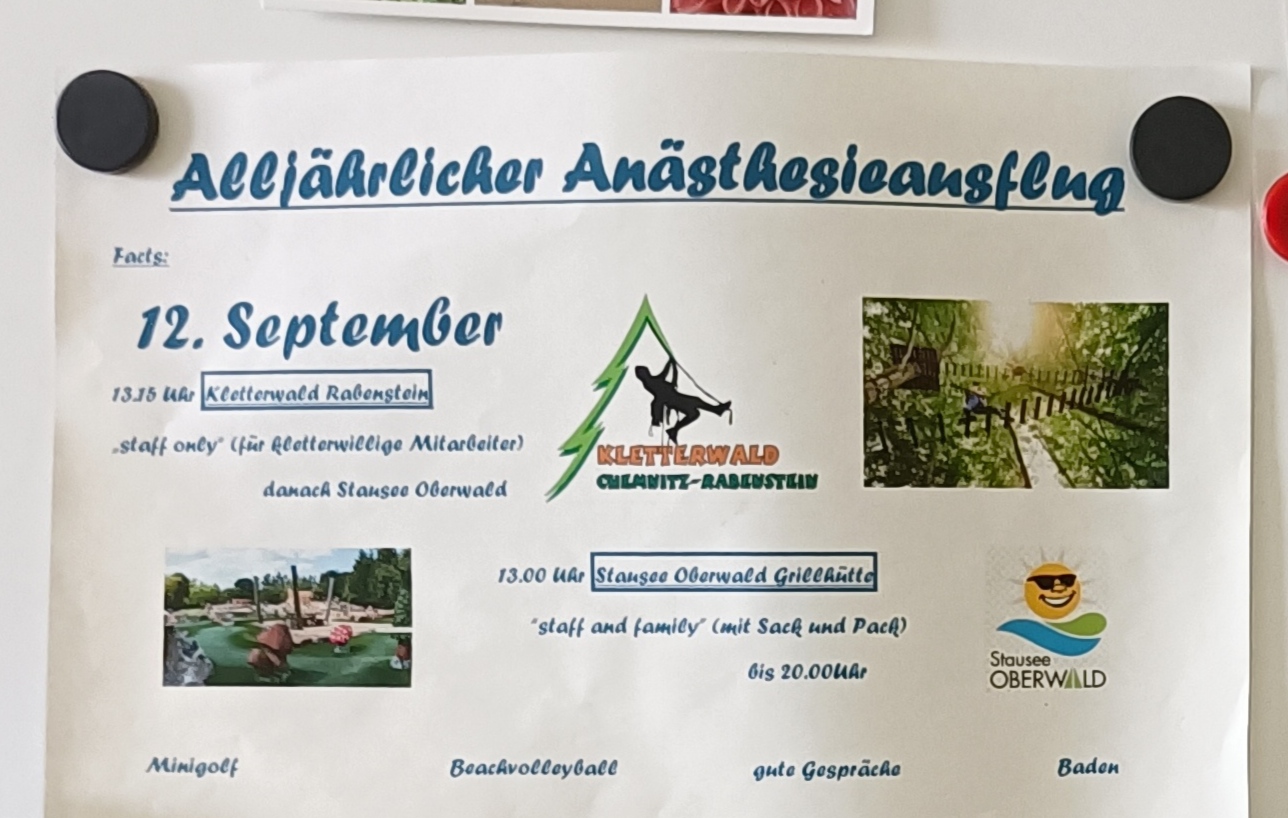
The afternoon shifted focus toward team optimization. Navigating high-ropes courses at the climbing park serves as a great exercise in operational trust, which became very literal when I found myself physically stuck at the Tarzan swing obstacle. The supportive coaching, clear communication, and vocal encouragement from my anesthesia colleagues perfectly mirrored the high-trust environment we maintain during clinical shifts.
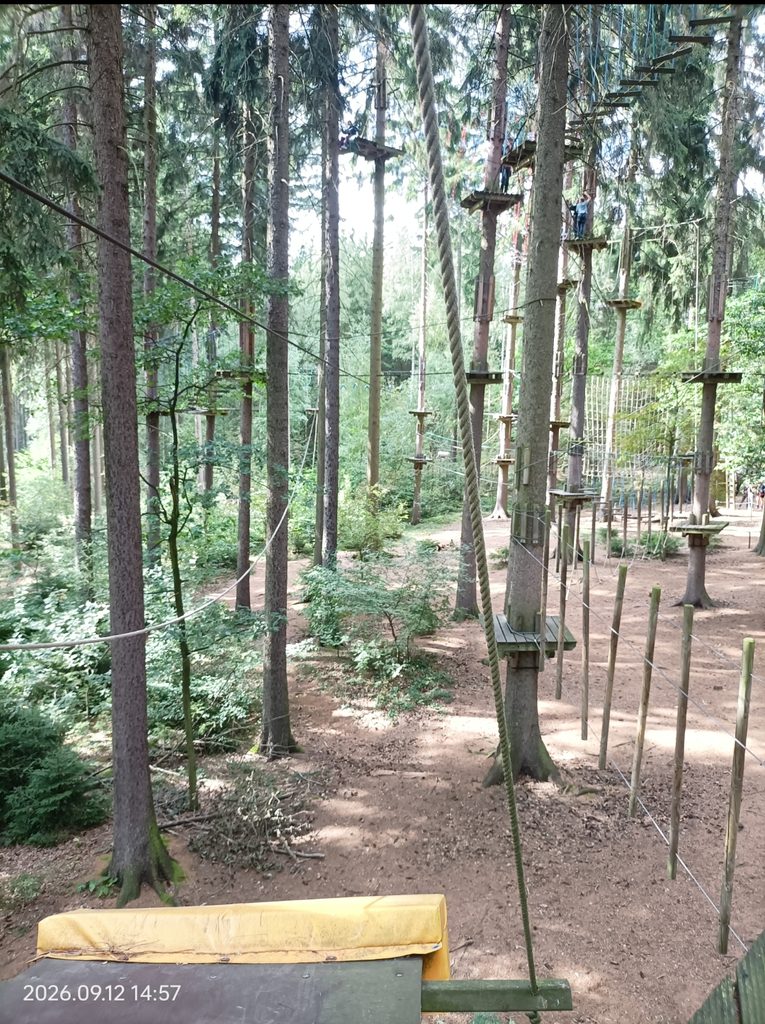
Thanks for the great capture Nicole and EZGif for the conversion.
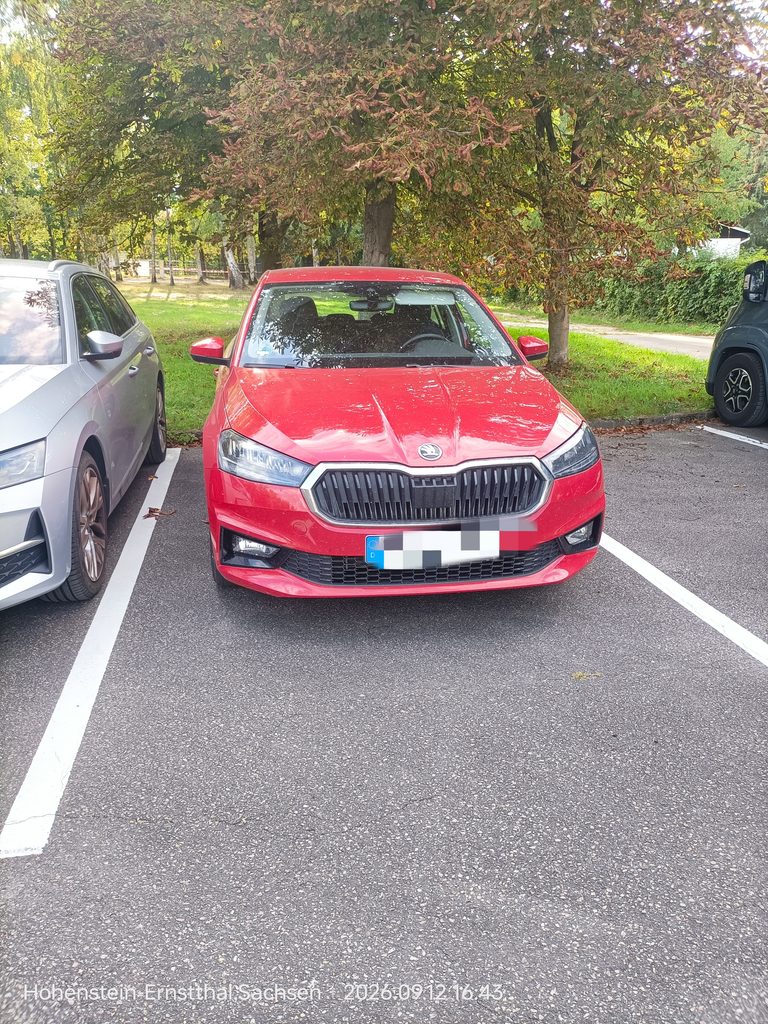
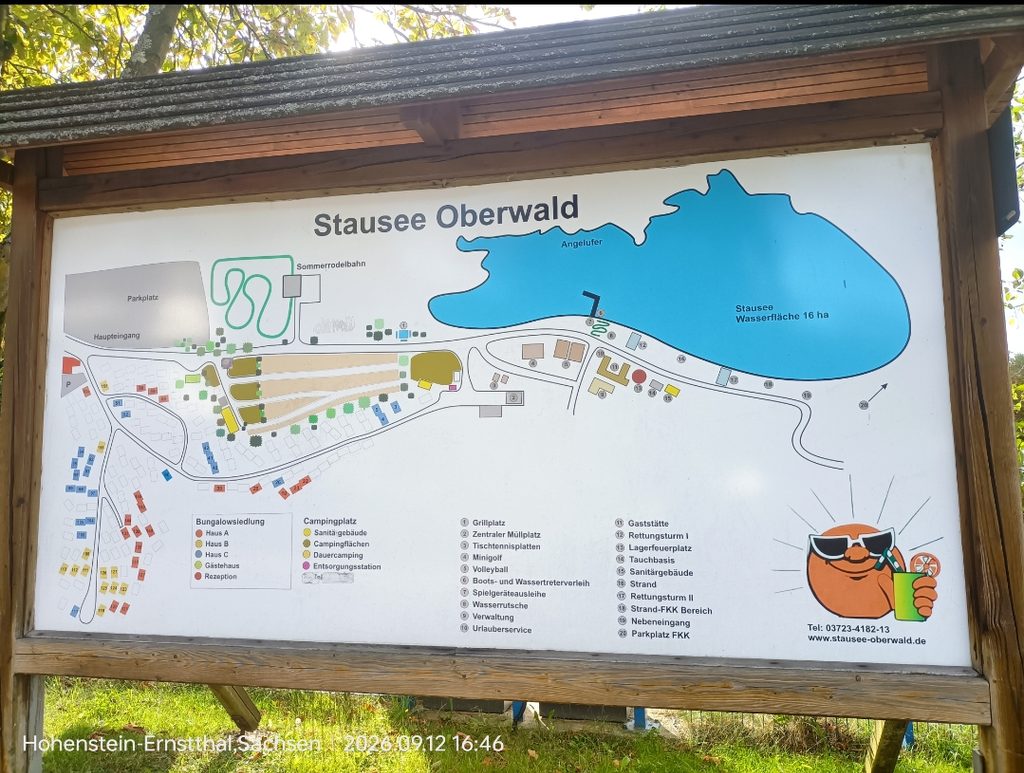
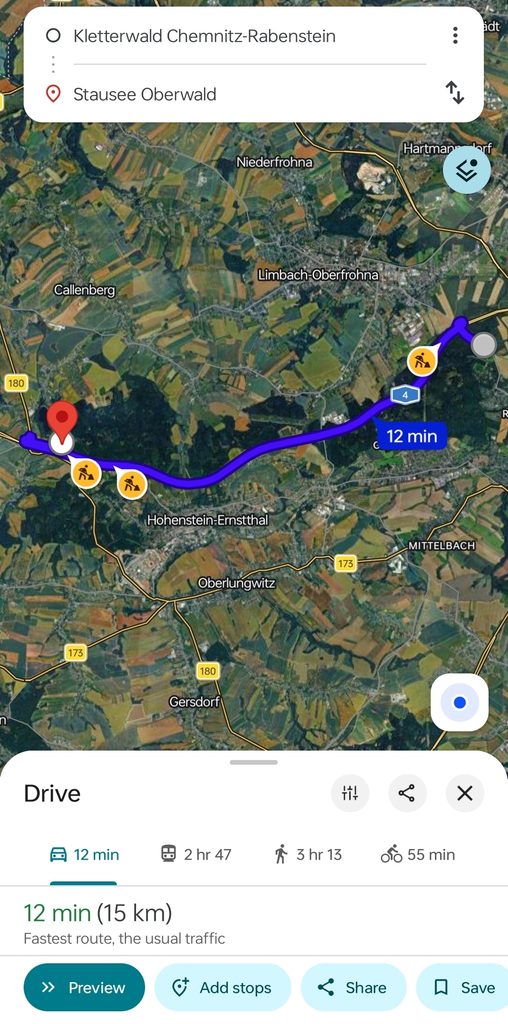
Following the course, we mobilized for the second half of the outing: a “Grill & Chill” session at Stausee Oberwald. This journey marked my very first time driving on the Autobahn. The Fabia performed flawlessly, remaining stable at triple-digit cruising speeds.
However, the highway infrastructure presented its own hurdles: a massive construction zone defined by a complex, overlapping grid of temporary yellow lane markings. Managing high speeds while deciphering temporary lane data caused me to miss the intended exit, resulting in a substantial detour. Rather than a setback, the extra mileage served as invaluable highway driving practice.
I never had the chance to practice on the Autobahn with an instructor during my license conversion, as the driving school was located too far from one. License conversion for Philippine driver’s license holders requires passing the theoretical exam, at least 6 hours of actual driving with an instructor, and passing the practical exam.
It was my first time driving on the Autobahn after getting my German driver’s license. My colleague was right: driving there is easier than in the city. It’s similar to the 6-lane highways I drove on in the Philippines—just with a lot of roadworks, unfortunately—but a bit safer. At least I don’t have to watch out for someone jumping in front of me while I cruise, or motorcycles sneaking too close. Other cars maintain a safe distance. I hope I won’t get too comfortable and forget these differences when I drive while on vacation in the Philippines, where defensive driving is normally set to the max.
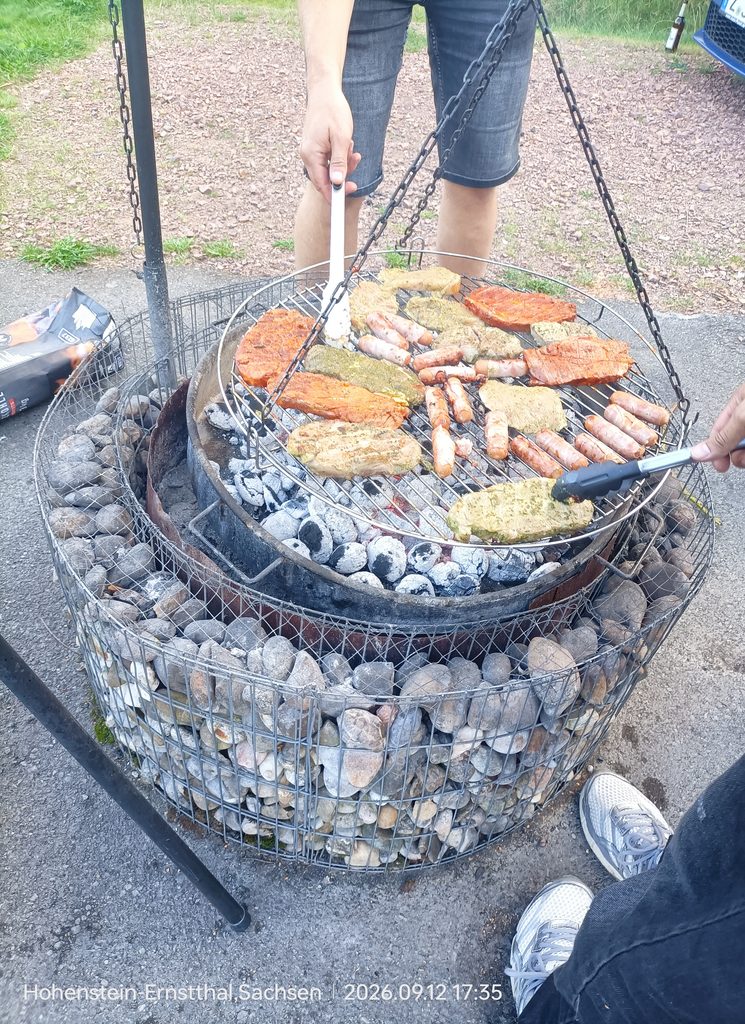
The detour was well worth it. Gathering by the lake for a barbecue. The steaks were incredibly juicy, and the combination of premium food and team camaraderie completely offset the morning’s navigational stressors.
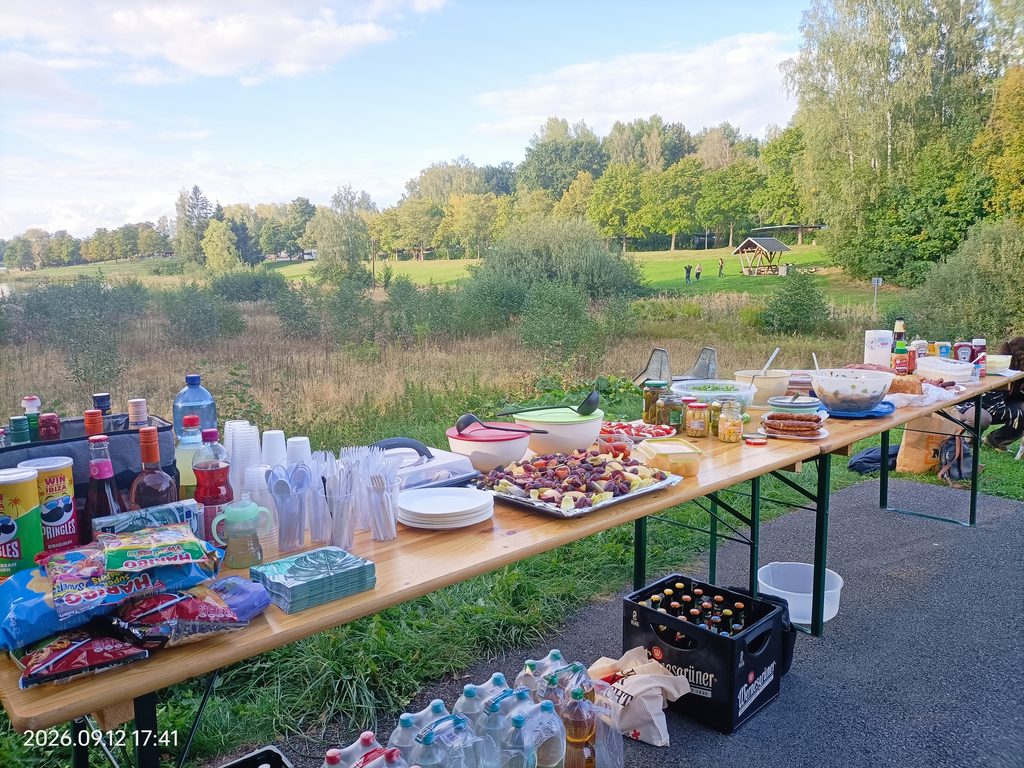
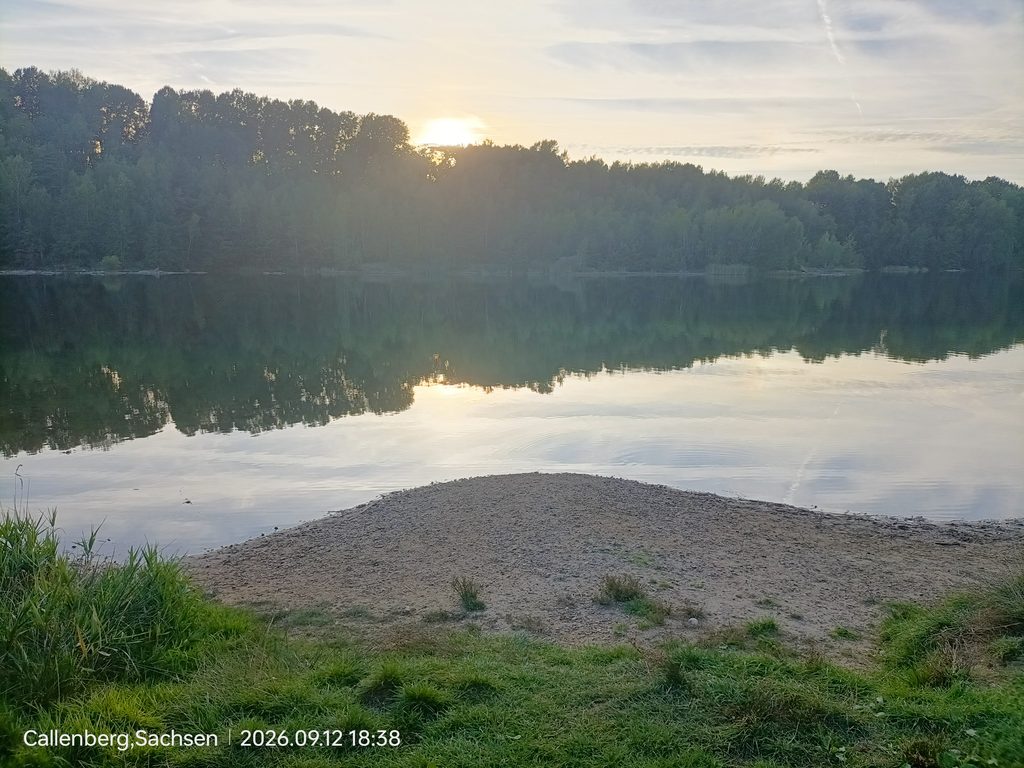
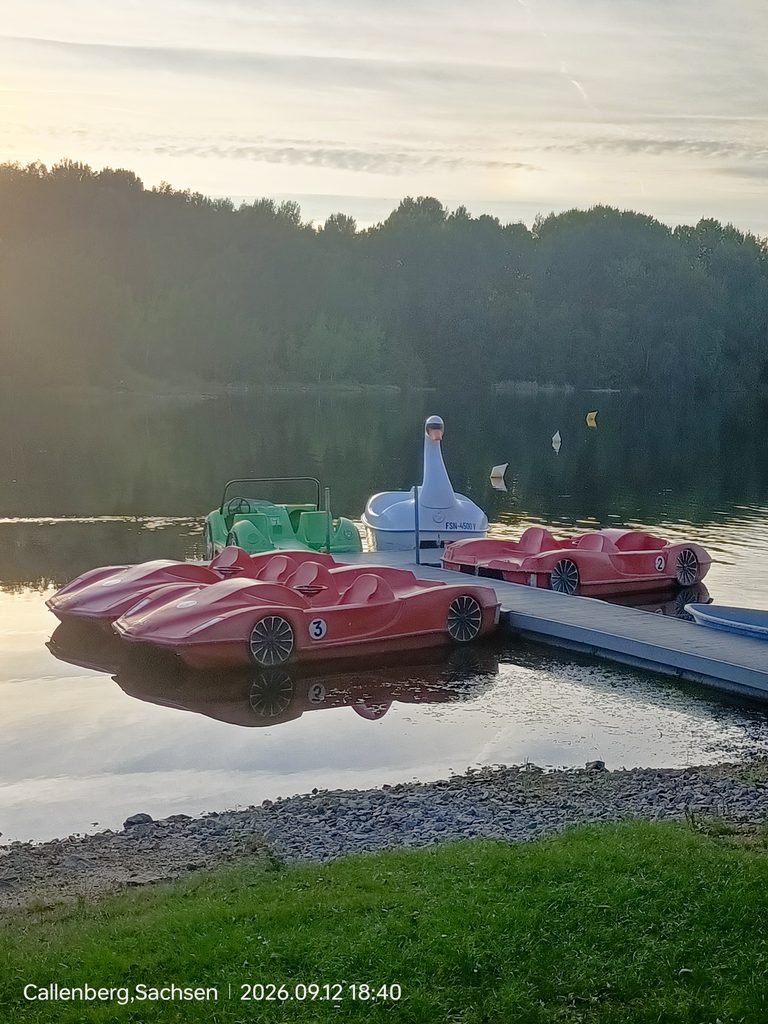
A very special thank you goes out to our incredible Anesthesia team, our dedicated team leaders, our supportive head chief, and the generous sponsors whose backing made this phenomenal day out in the region possible.
The Bottom-Line ROI: €47 Total Cost
The time-crunch theme concluded with a cinematic finish on the return trip. My reservation expired at exactly 20:00. After fighting final waves of evening city traffic, I parked and locked the vehicle at precisely 19:59—maximizing my allocated window down to the final 60 seconds.
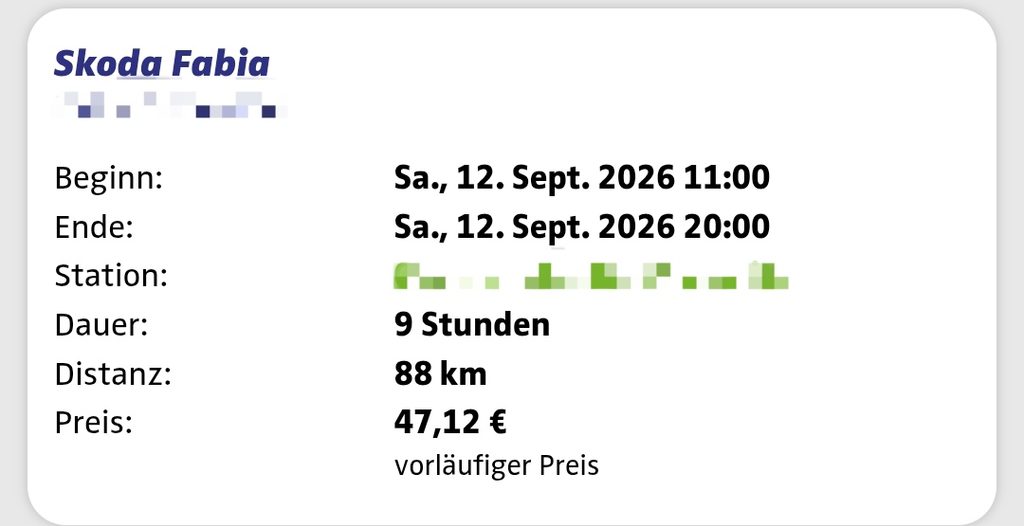
The manual Skoda Fabia performed so efficiently that it actually tempted me to do something unexpected on the way home: I jumped online to search how much a Skoda Fabia would cost. Especially after a random man just approached me while I waited for the tram speaking in his native language. He then called me a good woman. It was really creepy. Luckily he backed off. I should really avoid that area for safety. Cancelling my membership to the local club near it turned out to be a wise decision so I won’t have to be there again. I remember when dad was adamant to drive me home after a welding session. He knew the risks which I often took just to master a craft that I was restricted arbitrarily from using. I was so focused on the project and the goal that I ignored my intution and just used logic to fix possible roadblocks.
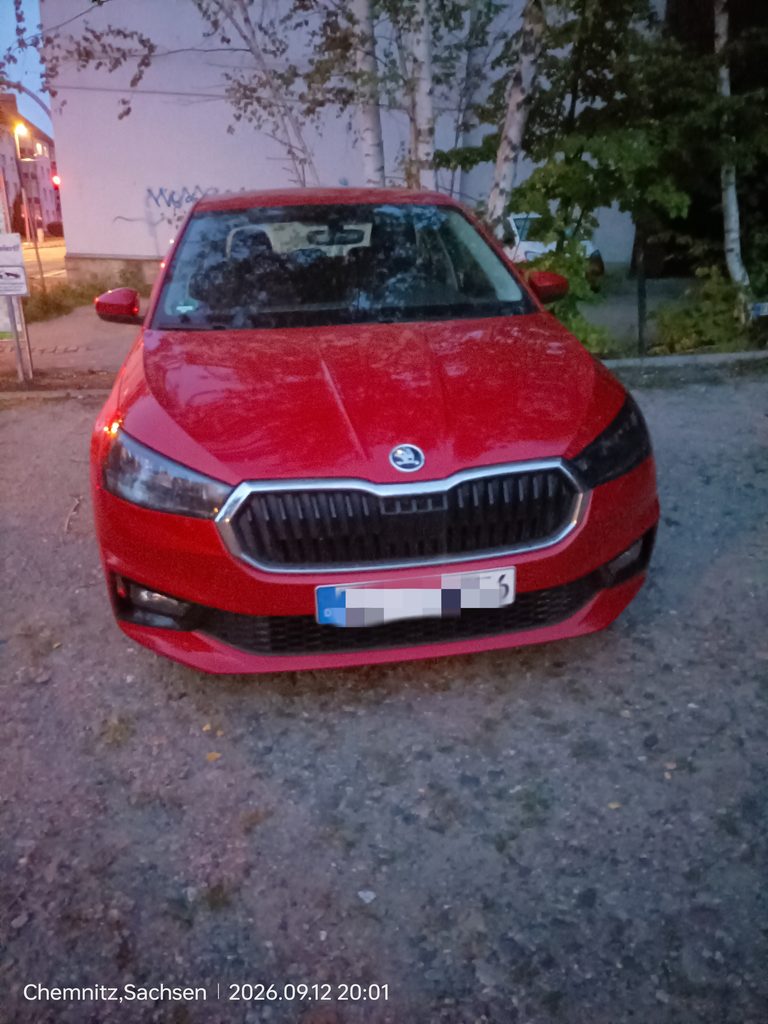
Still, this weekend reminded me how essential it is to trust your gut, stay flexible, and surround yourself with reliable systems. Investing in a local cooperative like teilAuto isn’t just about mobility—it’s about buying into a redundant network that keeps you moving when your primary plan fails.
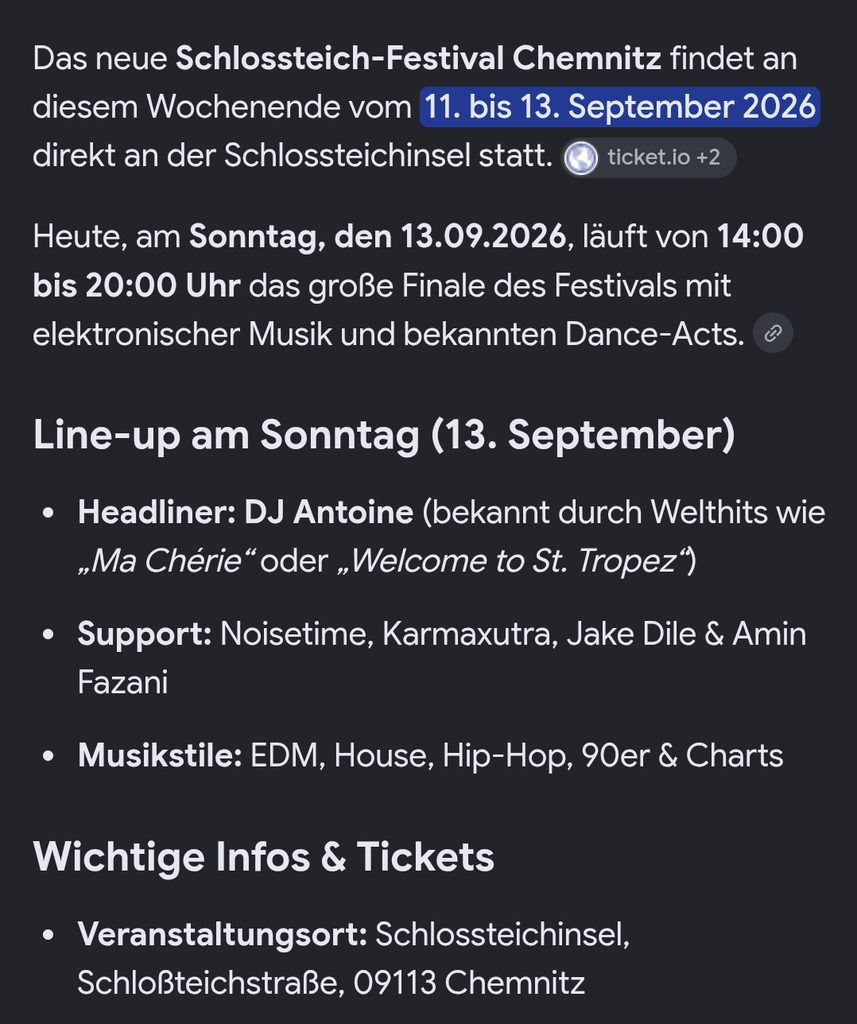
My first Autobahn trip is in the books, the Skoda Fabia from Claußstraße passed the test with flying colors, and my business package is safely home. Now I’m prepping to attend an event mom invited me to this Sunday at Schloßteich and a family dinner in Miramar.
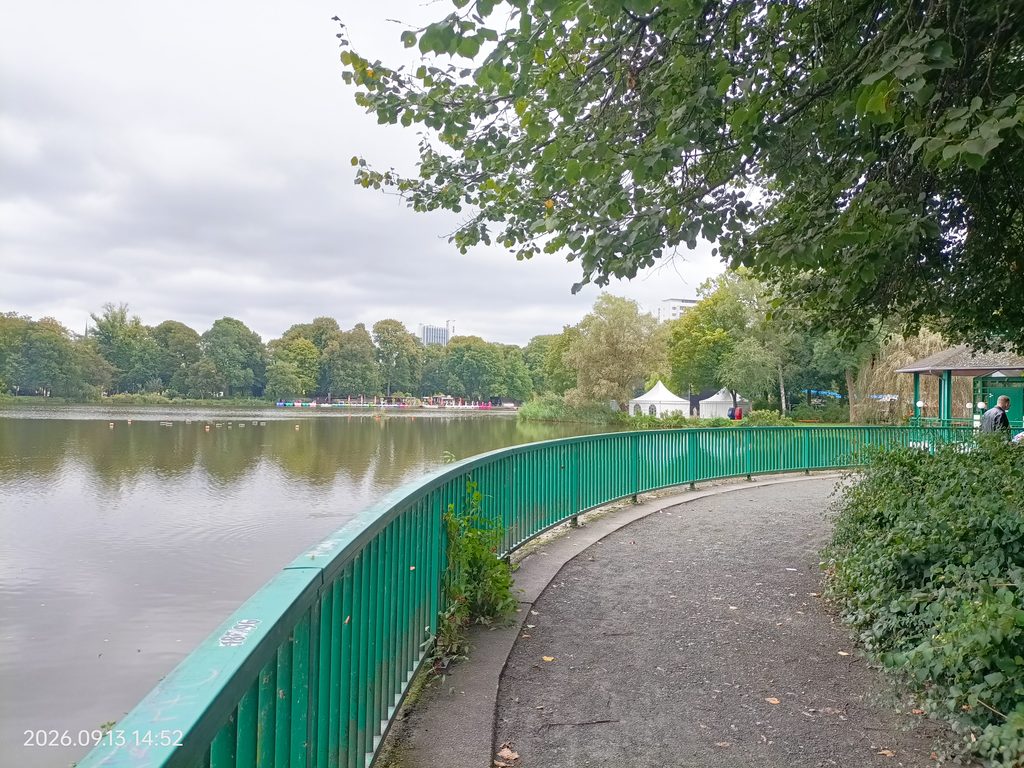
Sunday Highlights
I would like to add highlights from this Sunday to wrap up the weekend. After stopping for a quick coffee at the Milchhäuschen near Schlossteich, we passed by the Schlossteich Festival. We decided to spend the two-hour window exploring the area before our 6 PM reservation at Miramar Restaurant. It was a bit chilly, windy, and rainy, so I ordered fries with tea instead of cake or sweets for some extra calories.
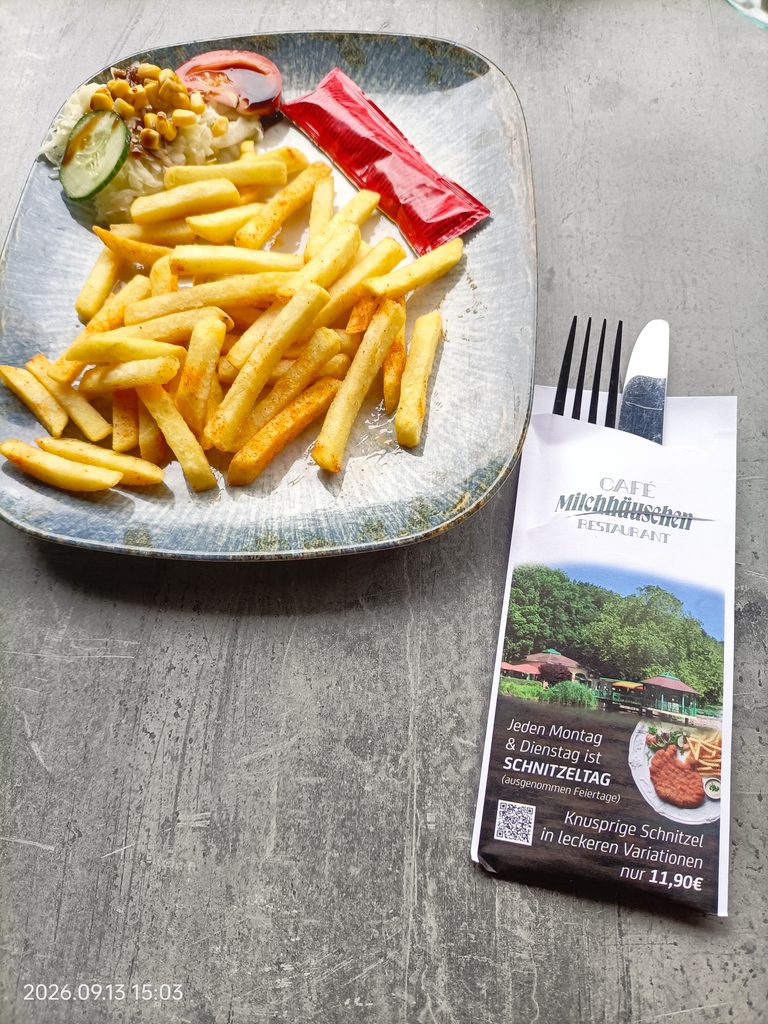
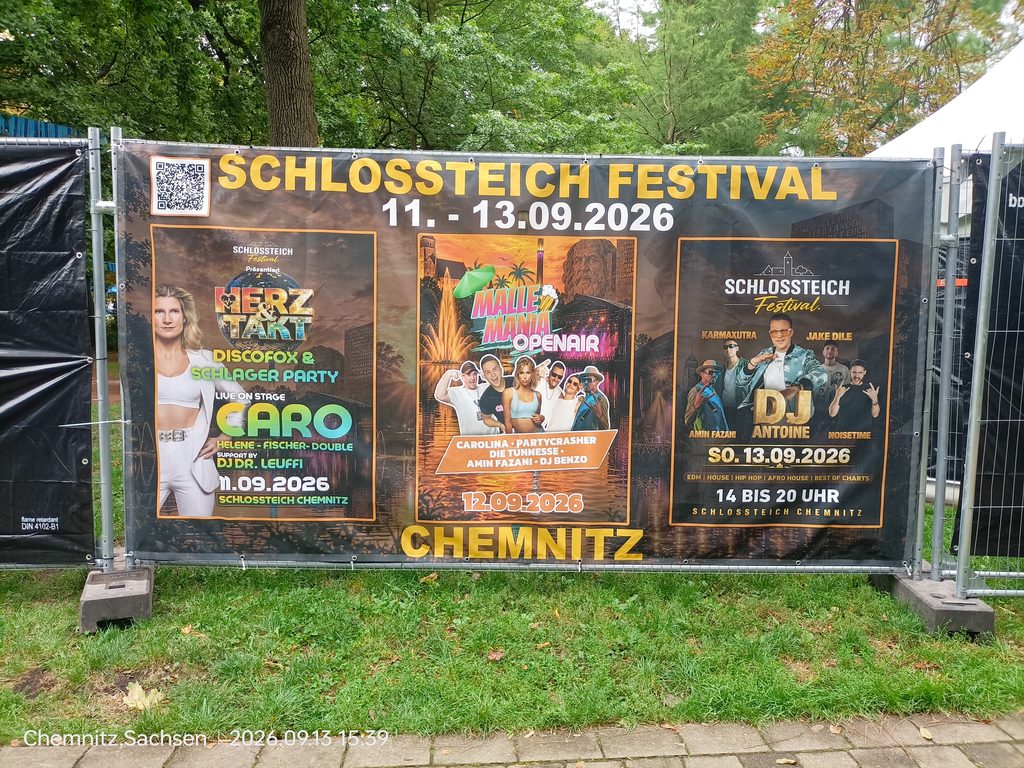
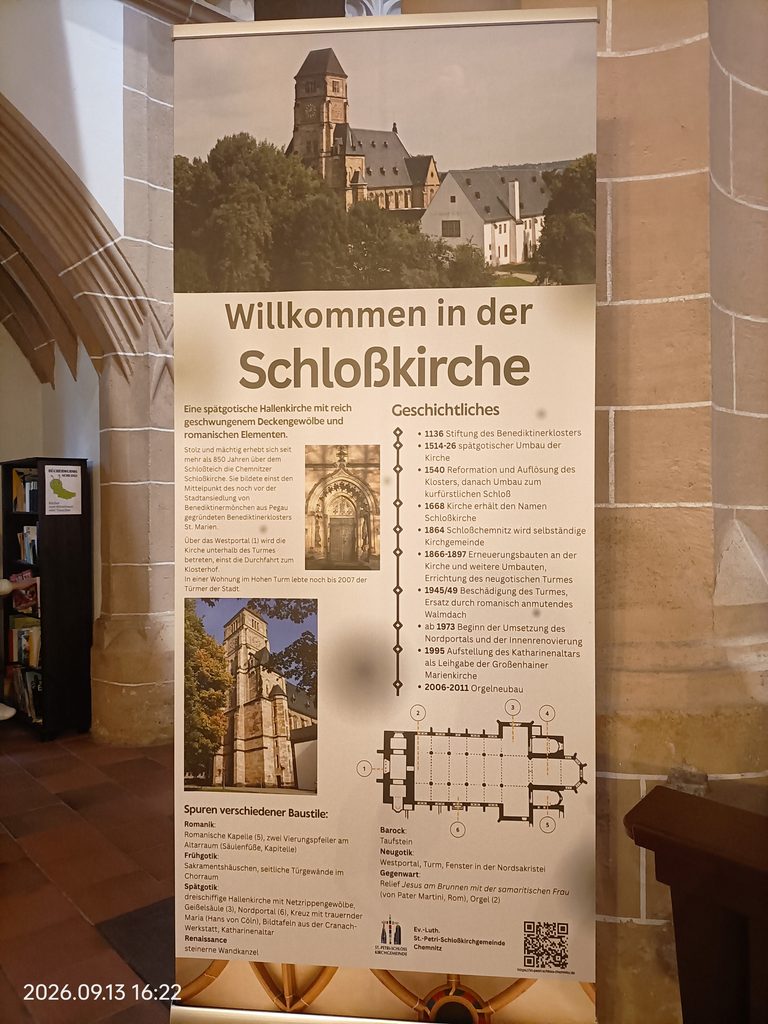
After passing the festival venue and reaching the church, we were pleasantly surprised to find it open. As it turned out, the Open Monument Day was taking place at the time.
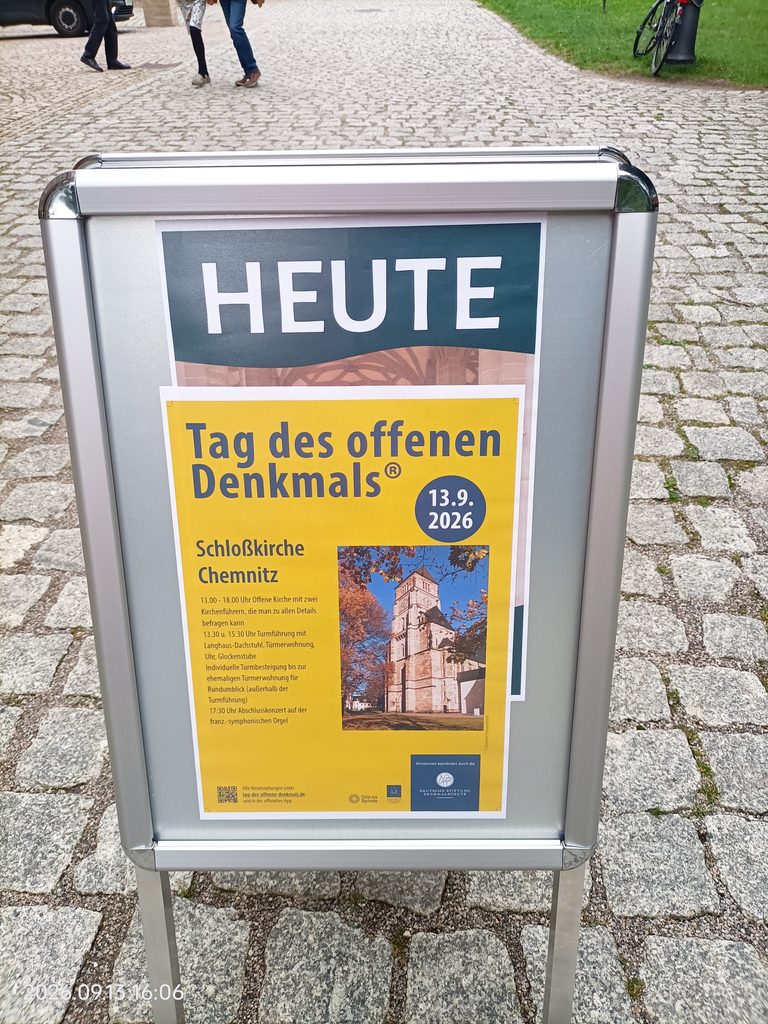
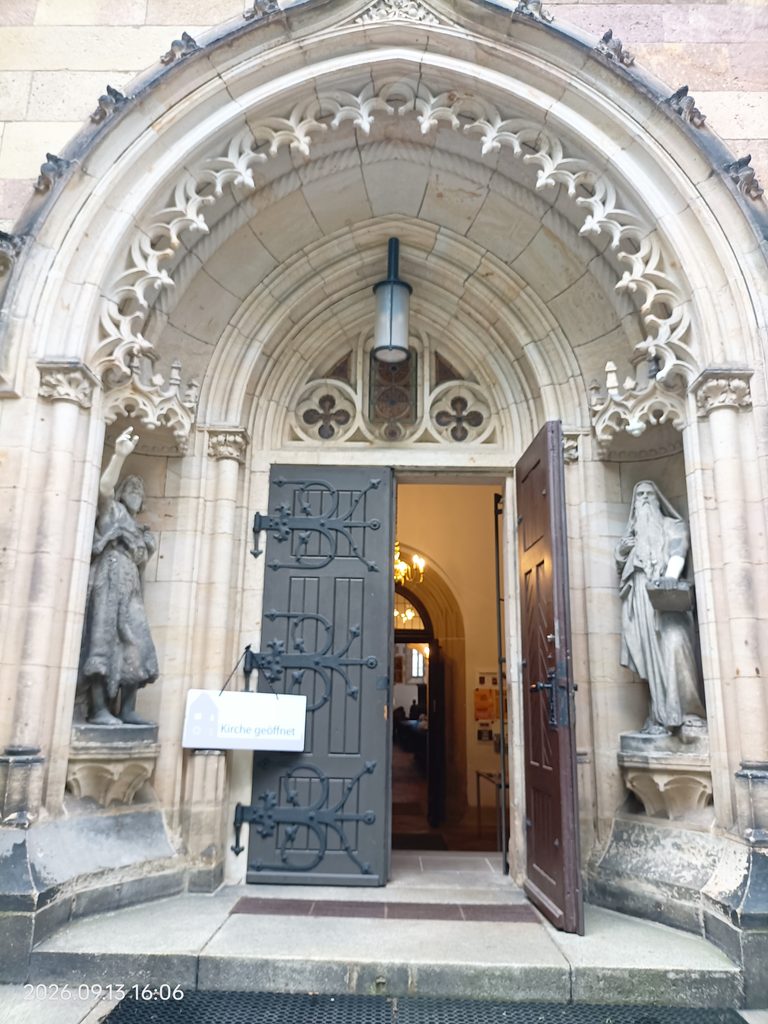
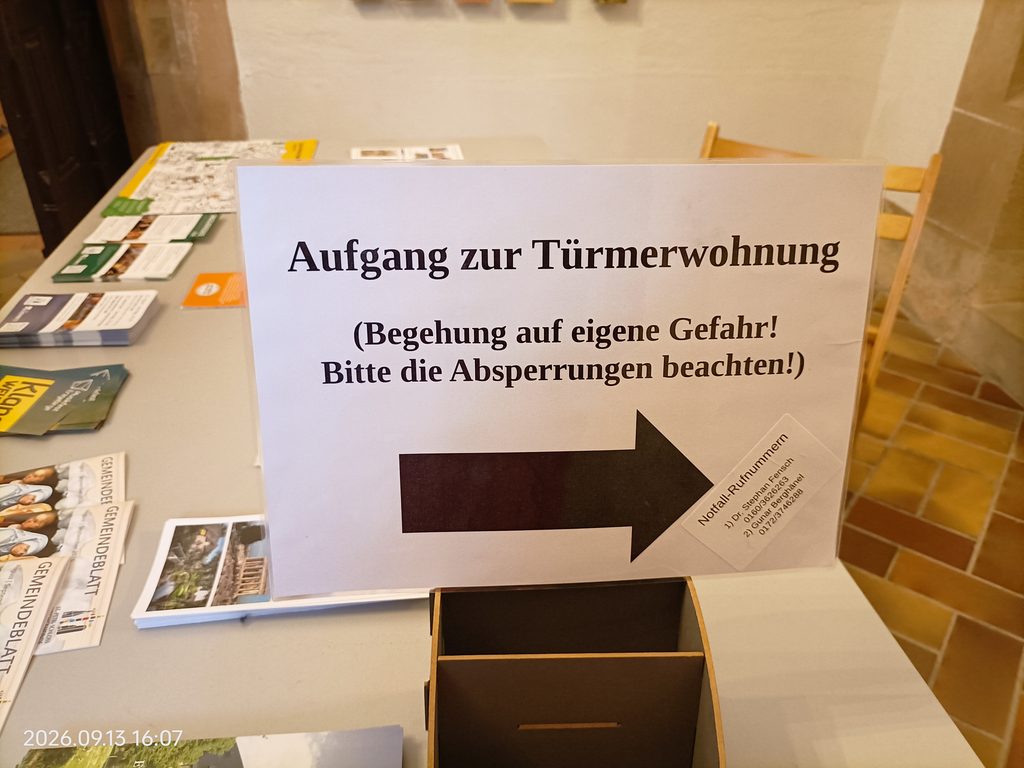
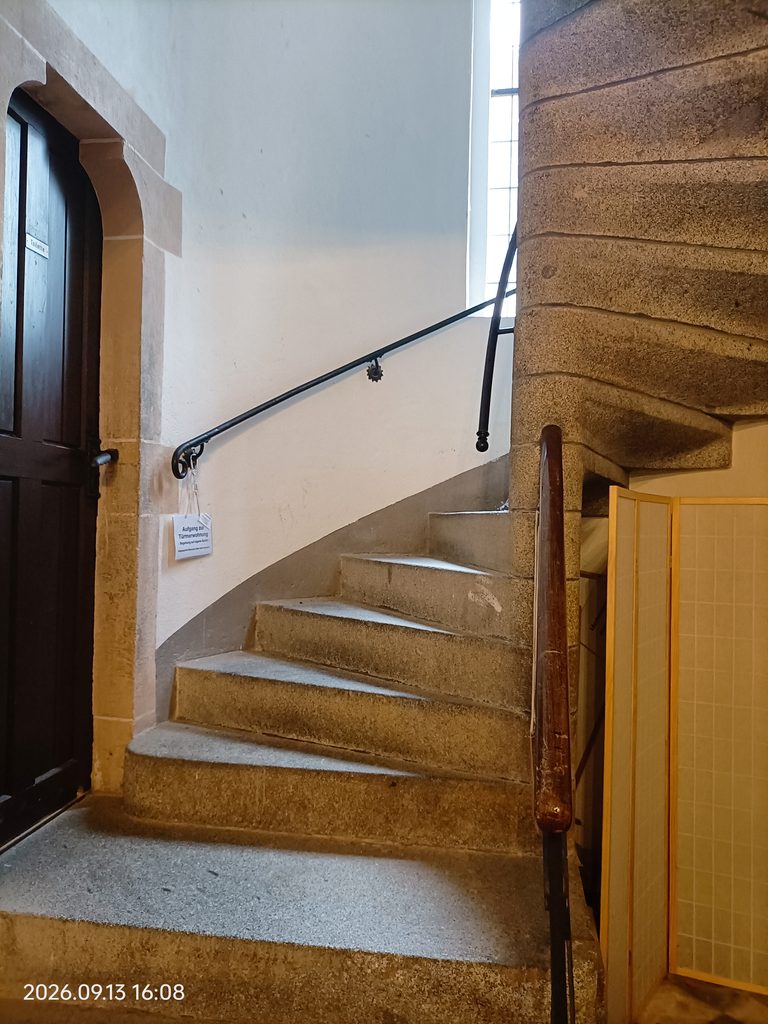
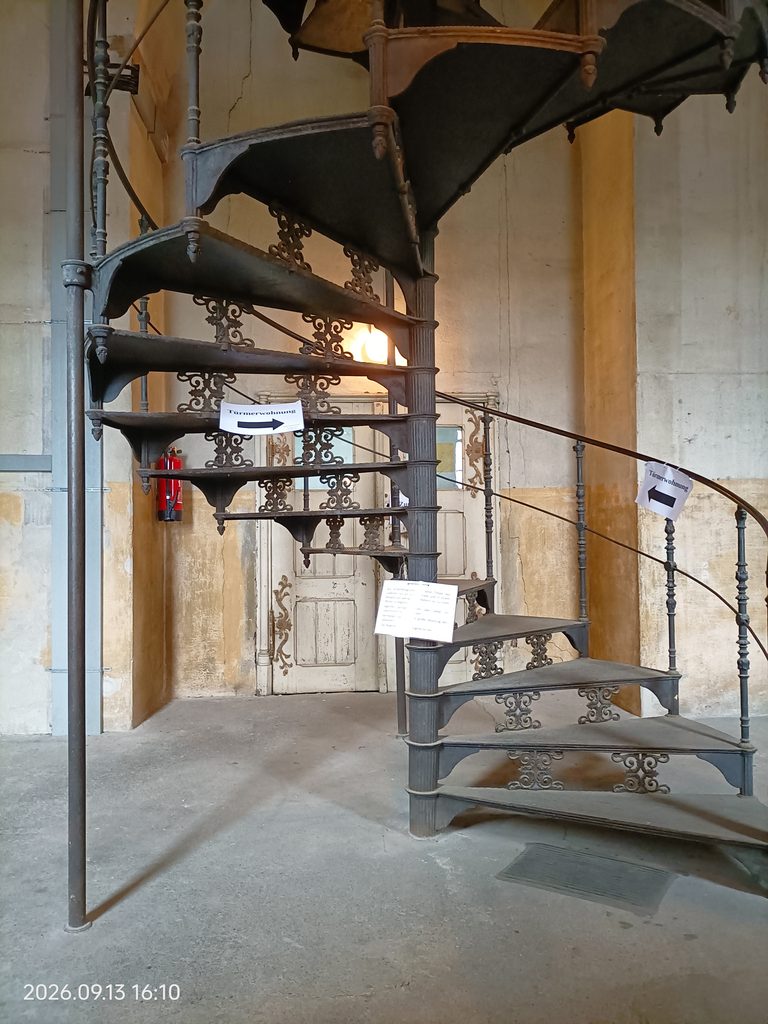
We were able to explore the church and even see the tower keeper’s quarters (Türmerwohnung) and the bell chamber (Glockenstube). I was the very last person to climb up before closing time, but the attendant kindly made an exception to let me see the massive bells. Reaching the very top required climbing multiple flights of concrete and metal spiral steps followed by steep wooden stairs.
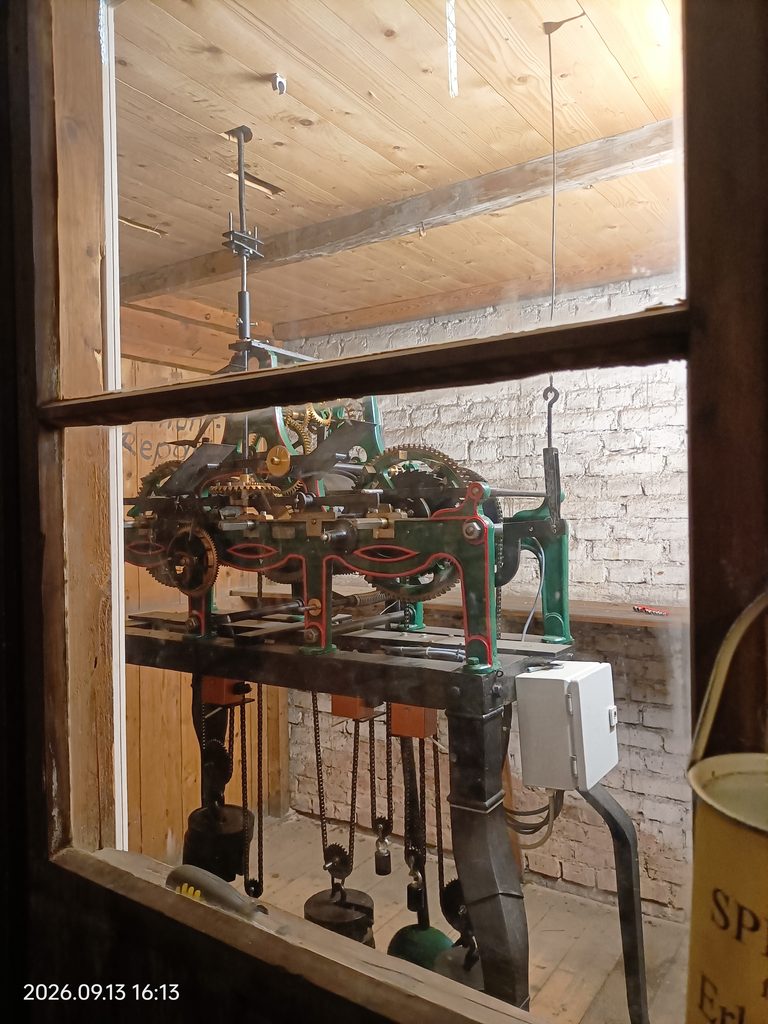
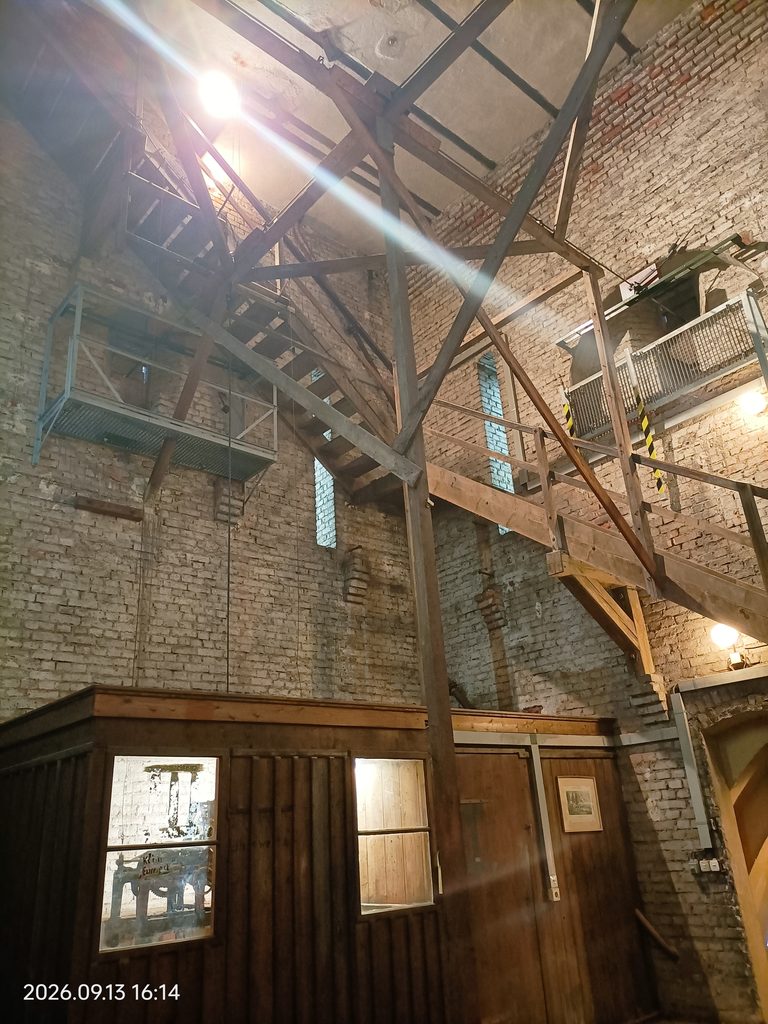
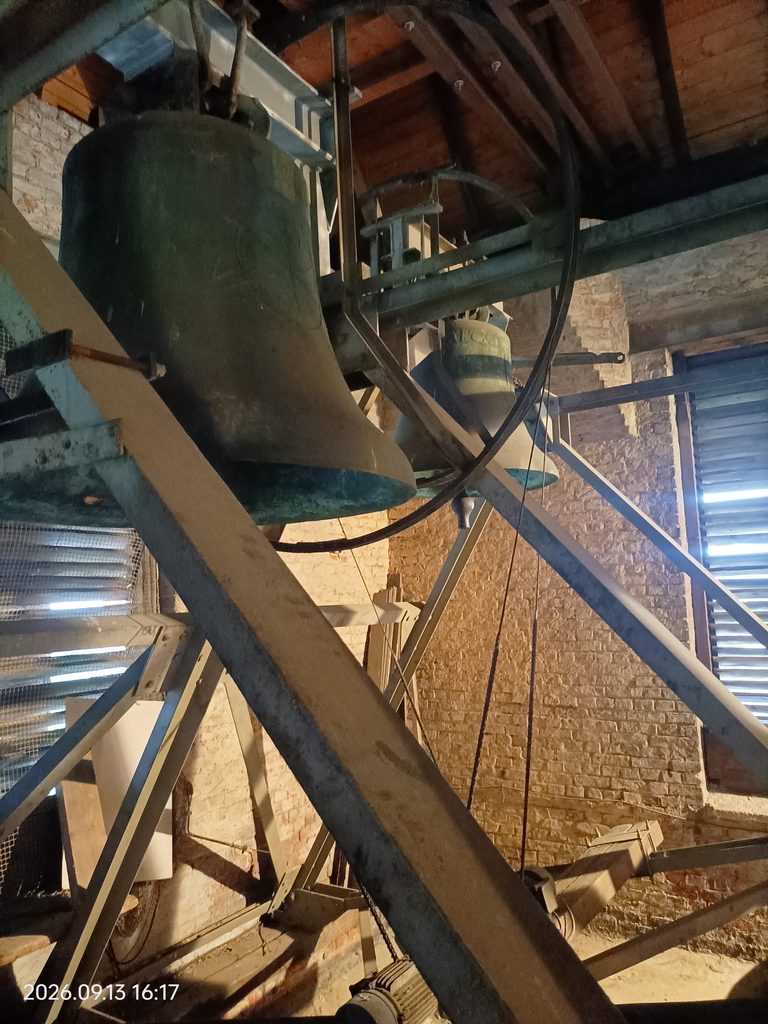
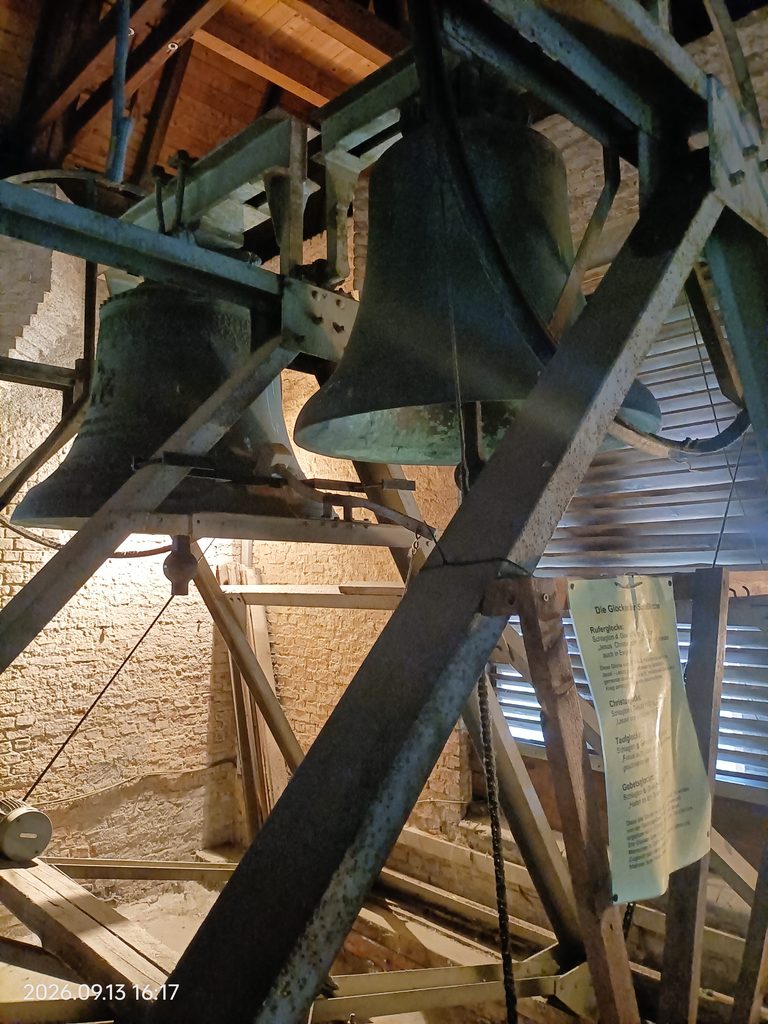
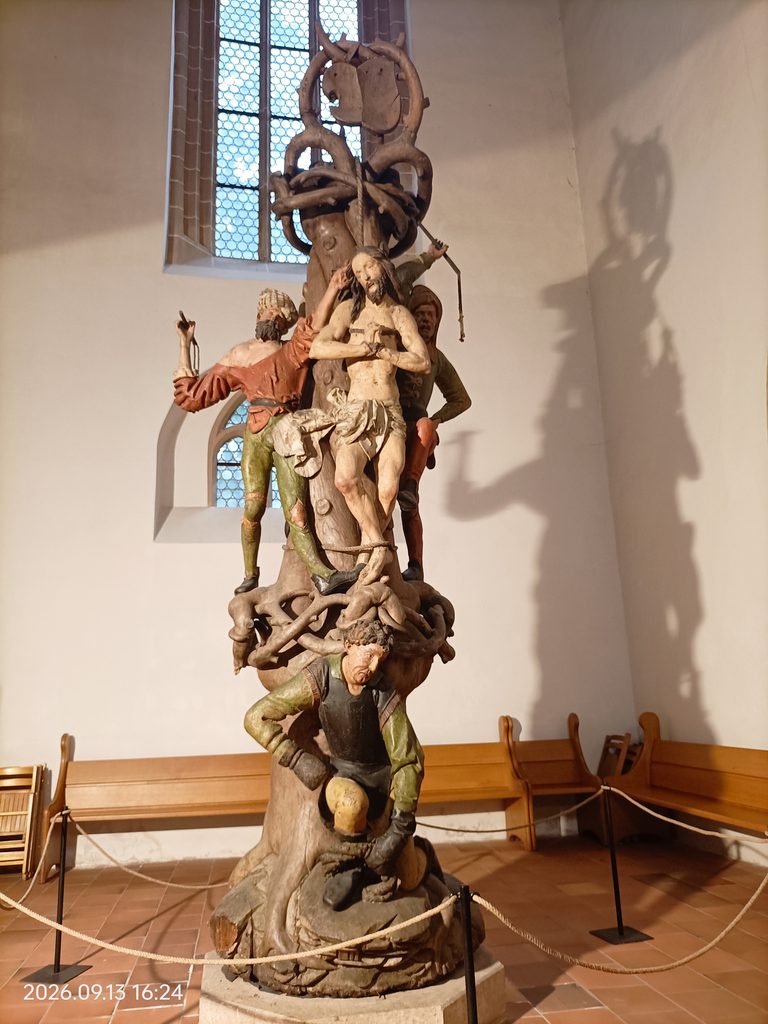
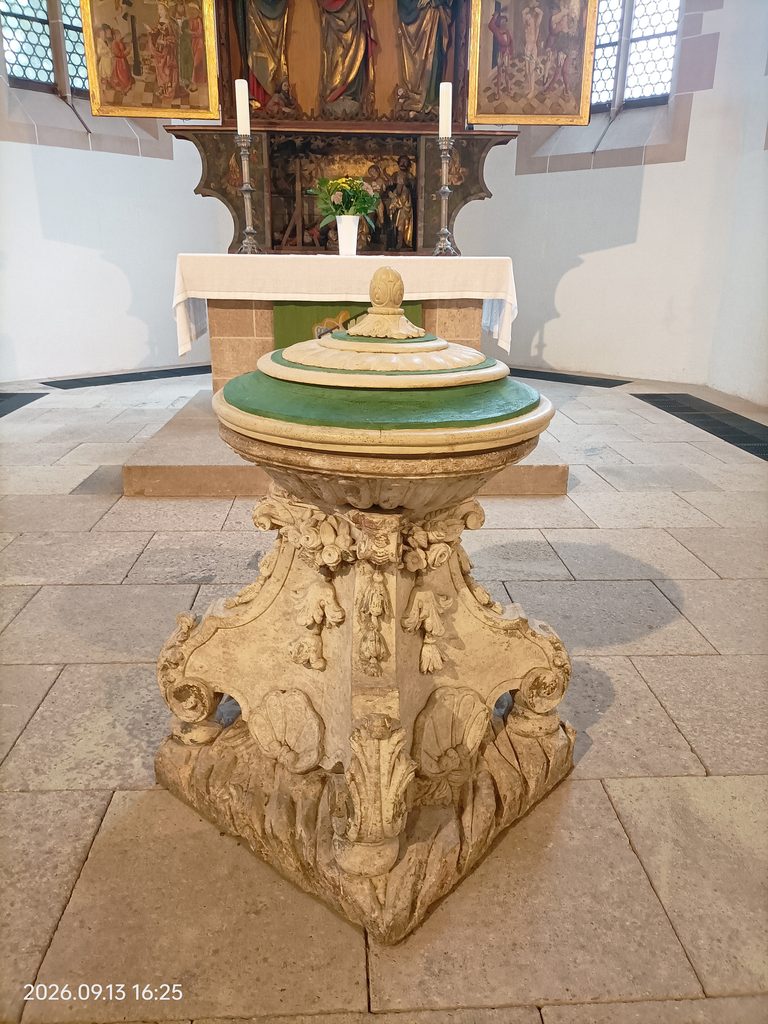
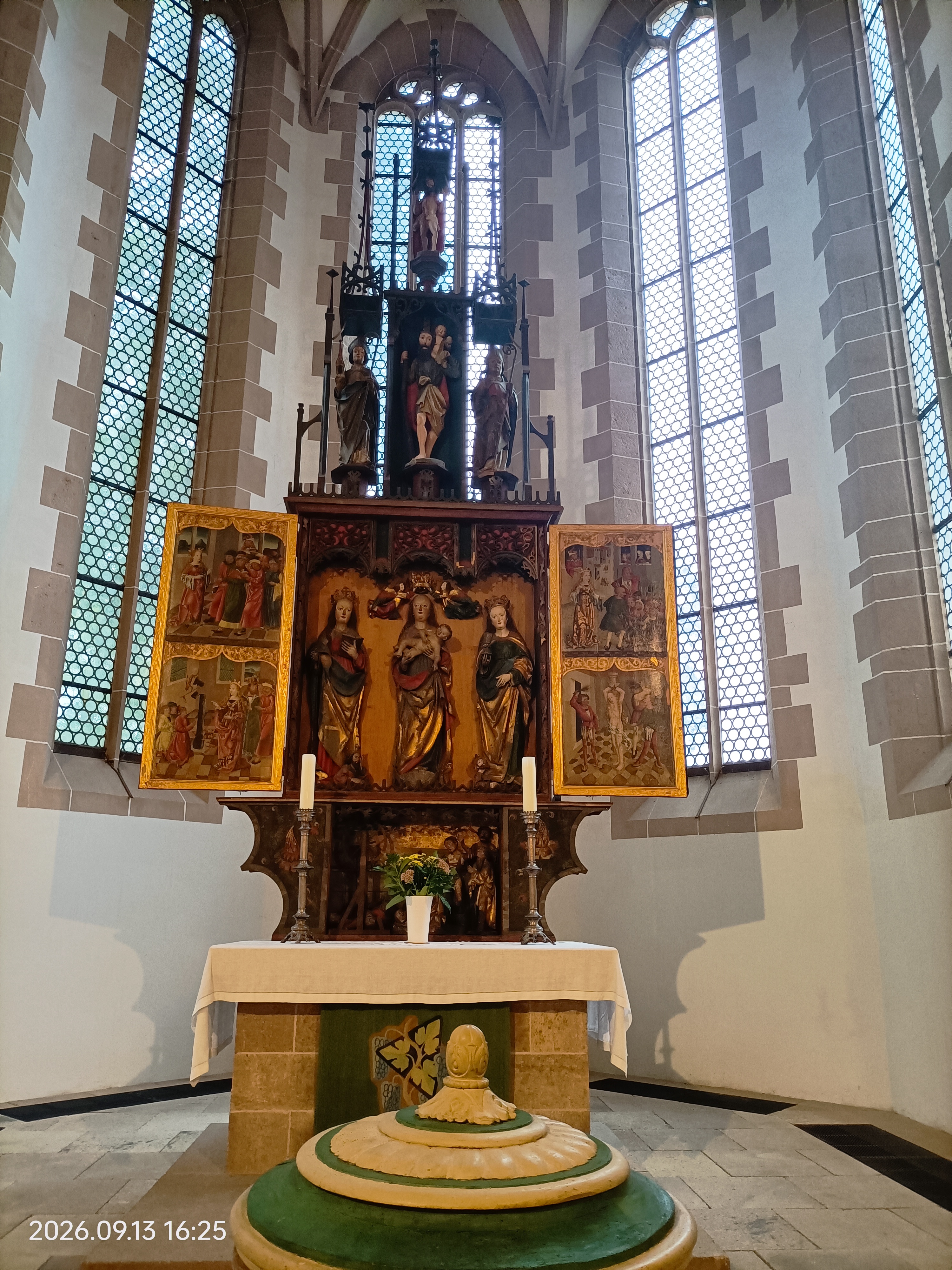
After the descent I explored the main church further. It has remarkable sculptures and paintings. There is even a roman arch hidden beside the raised pulpit.
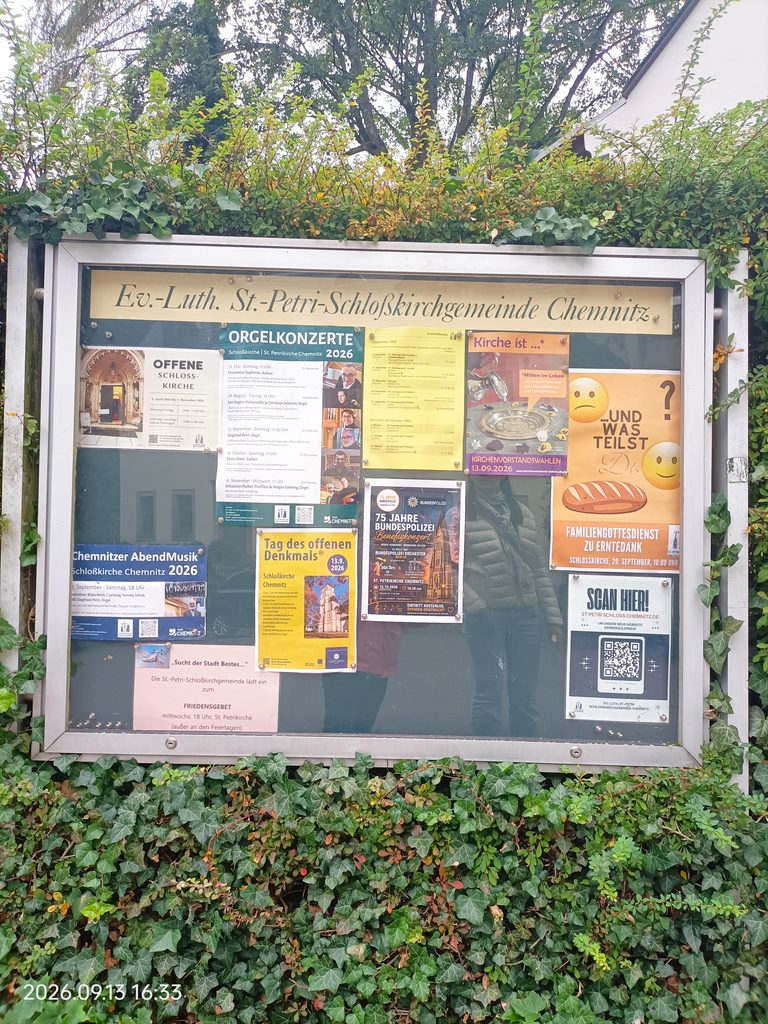
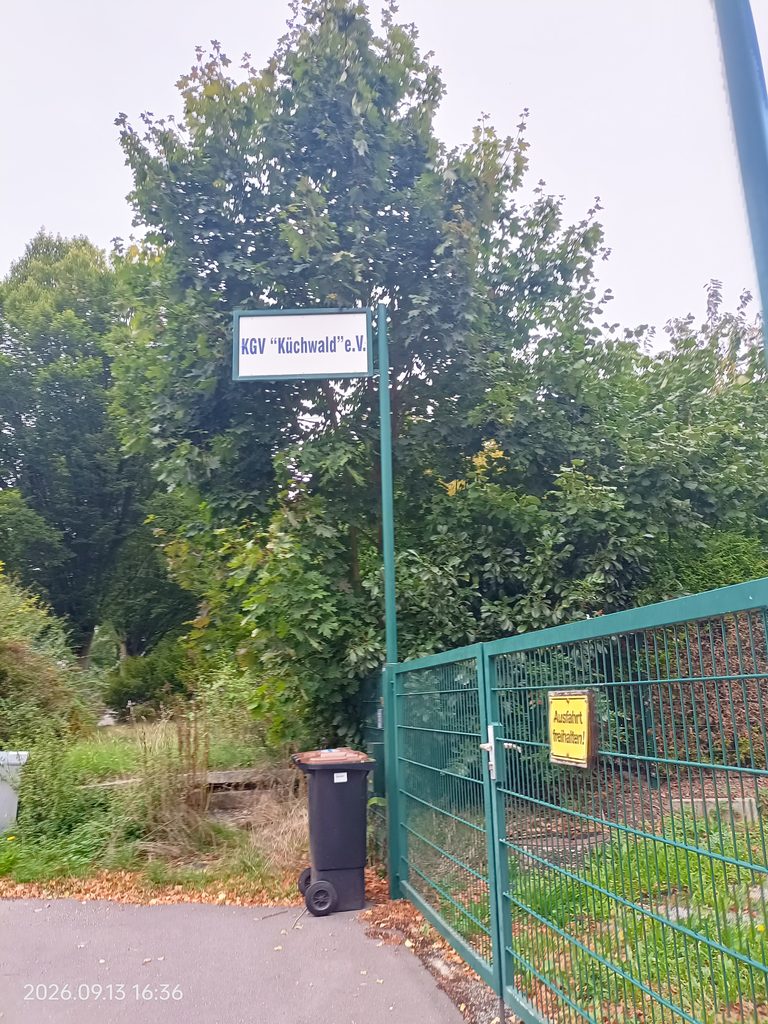
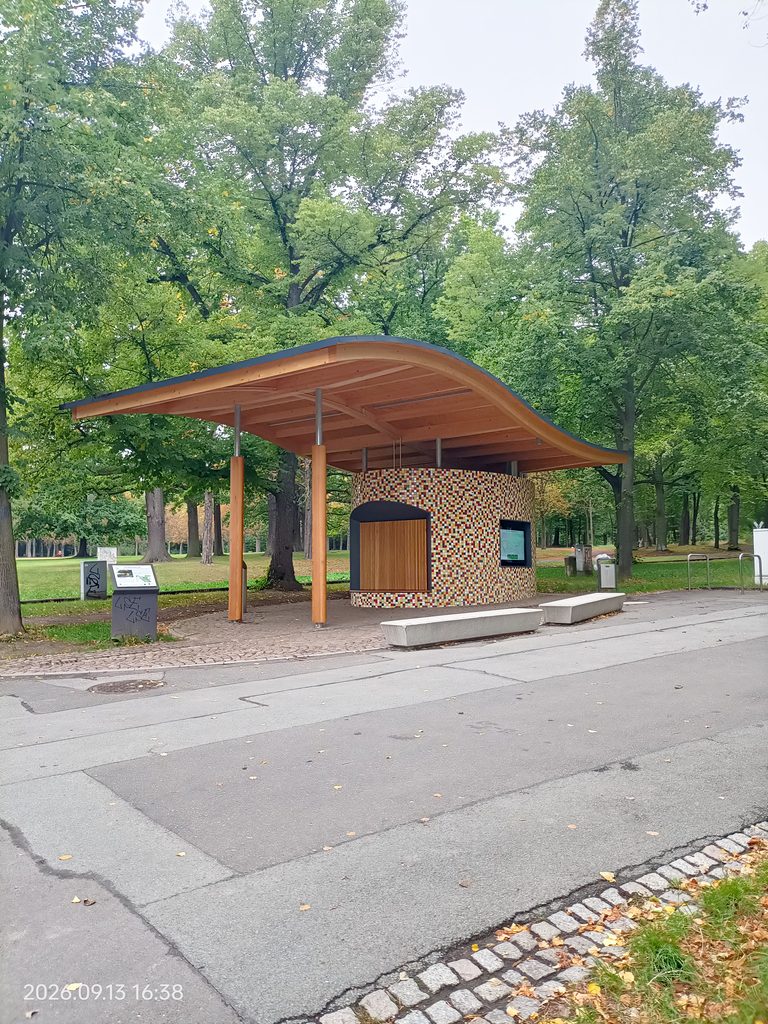
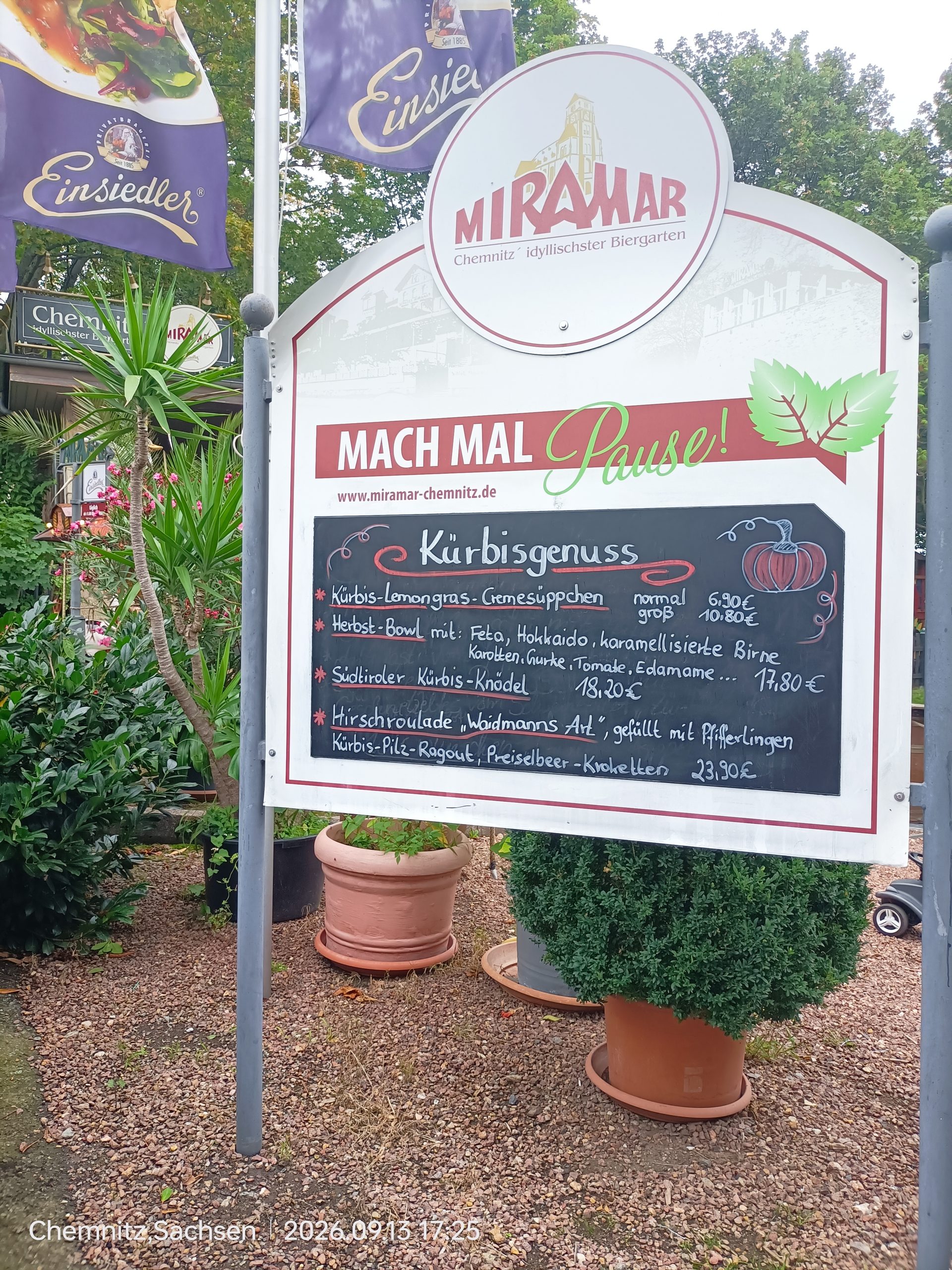
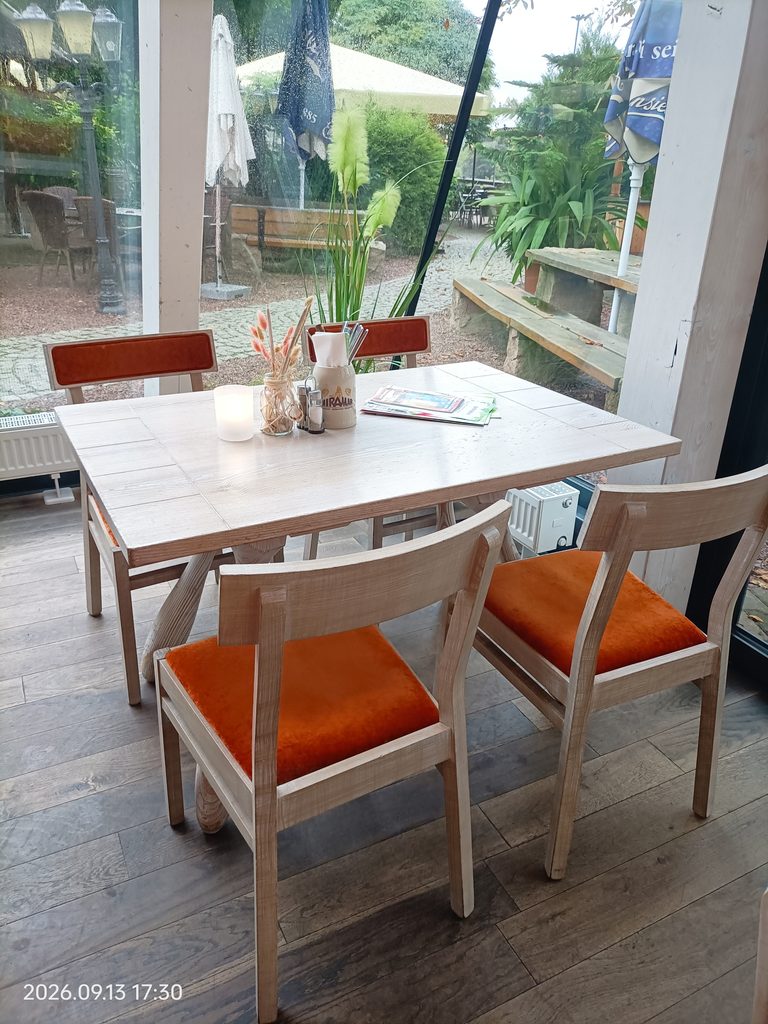
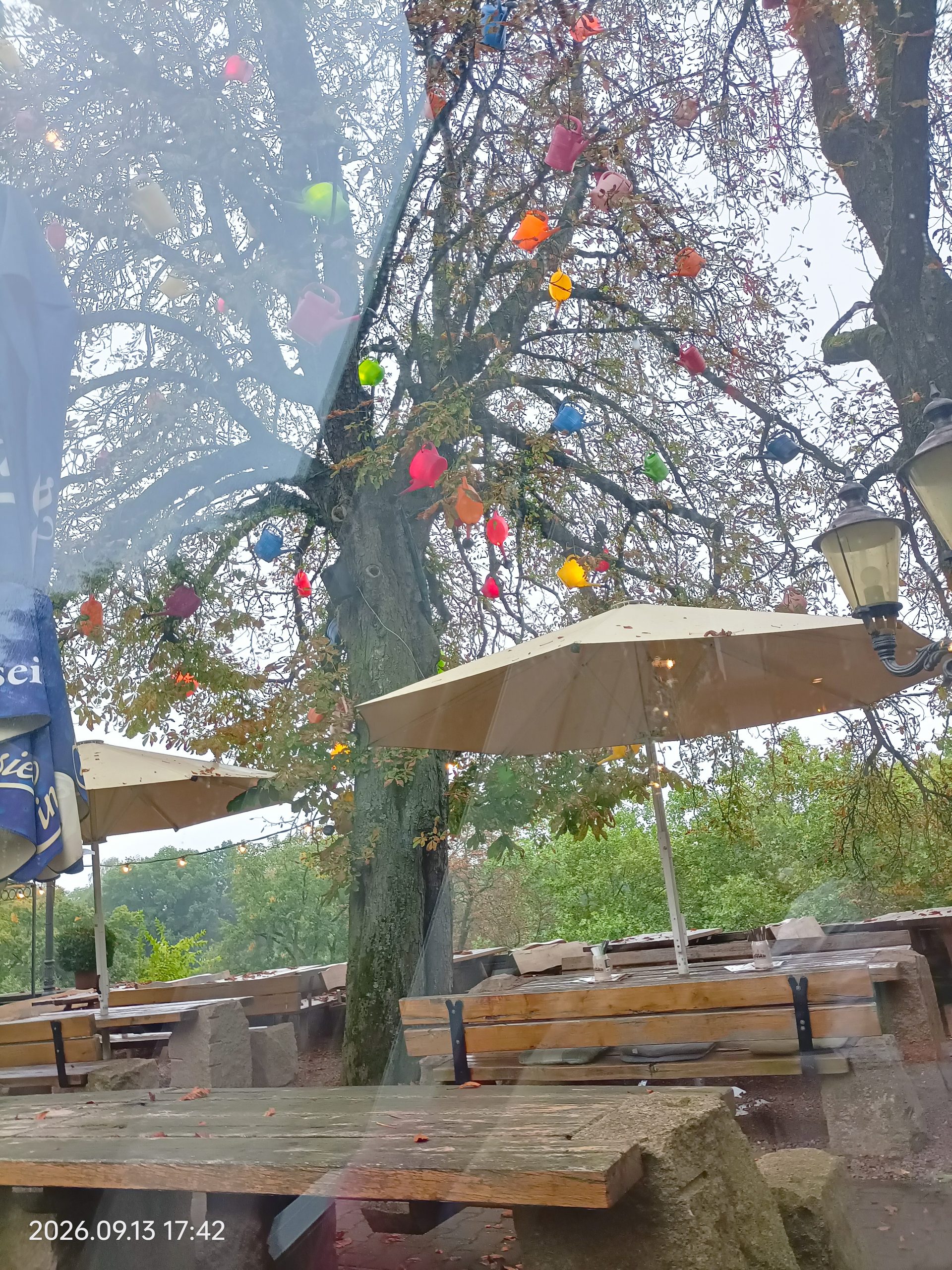
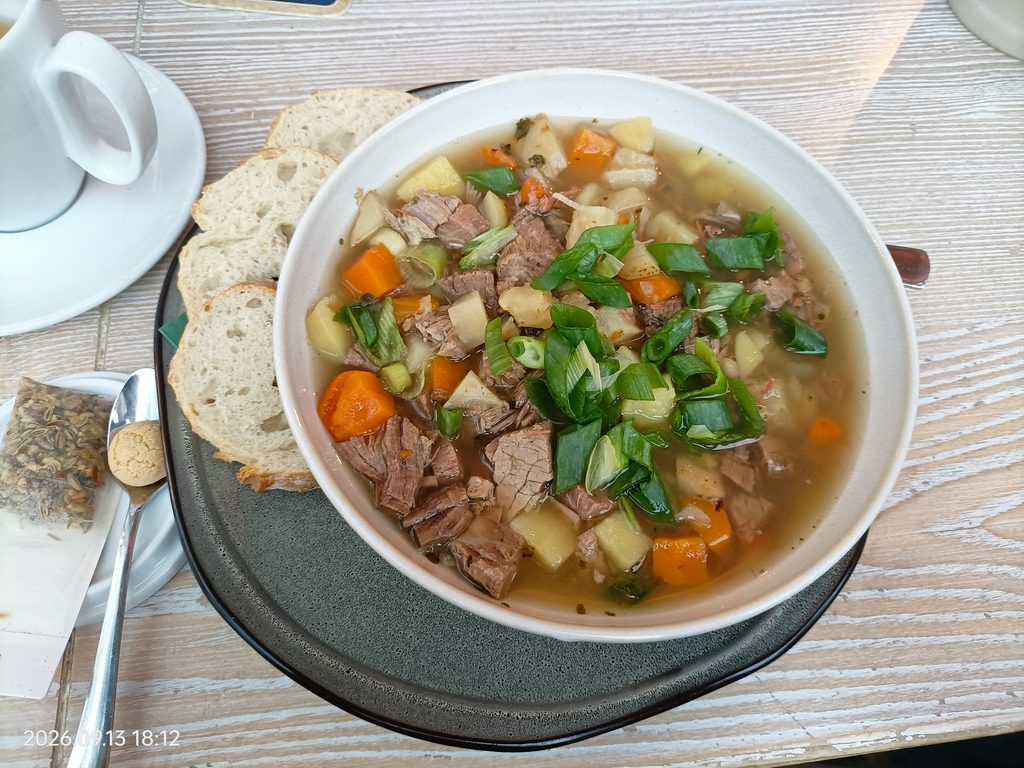
After that, we explored Küchwald Park before heading back to Miramar. The service and food were great! I was tempted to order steak, but since I had one yesterday, I ordered their beef and vegetable soup instead to warm me up. Their pumpkin soup also tasted creamy and sweet, and their hanging watering cans are so cute. It was a pleasant change of pace to talk about business ventures—plus, it was mainly Mom’s treat, so thank you! Overall, it was a great afternoon. I hope you all had a great weekend too! Thanks for reading this very long post. 🌞
Leave a Reply