

When you are balancing a packed schedule across multiple cities, transit networks, and commitments to family and friends, relying on a single, fragile plan is a recipe for a total system collapse.
This past weekend, a routine trip across Chemnitz, Dresden, and Zschopau turned into a real-world testing ground for what I call Fluid Logistics. By constantly shifting gears between public transit (using the Deutschland-Ticket) and car-sharing (via teilAuto), I managed to outmaneuver mid-route delays, protect valuable family time, and keep my day-to-day operations moving smoothly.
Here is how you can use a multi-modal logistics framework to build a bulletproof schedule that handles real-world disruptions:
1. Eliminating Single Points of Failure (The Moritzburg Contingency)
A great logistics plan always assumes something will go wrong. When it does, you need an immediate alternative so you don’t lose momentum.
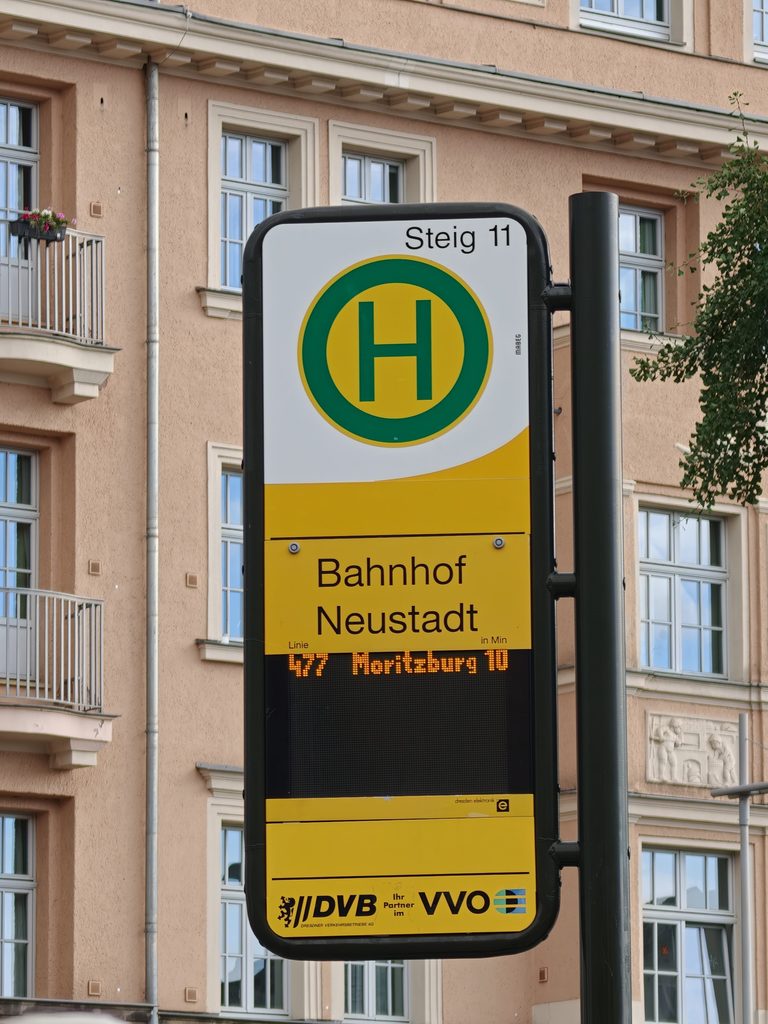
• The Disruption: My train route took an unexpected turn, stopping short at Dresden Neustadt instead of the main station.
• The Pivot: Rather than killing time waiting around a crowded platform, I used the ultimate flexibility of the Deutschland-Ticket to completely pivot, jumping on a bus to check out Moritzburg Castle.
• The Overload: The real test came on the way back. The return buses were completely packed to the brim with travelers.
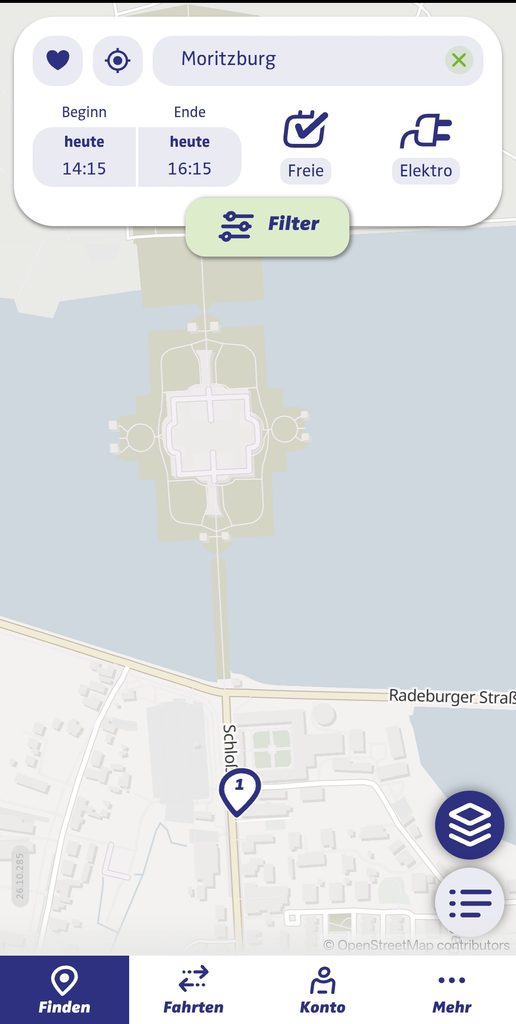
• The Plan B Safety Net: As I searched for alternative stops, I opened up my teilAuto app and spotted an available Seat Ibiza parked nearby. While a less crowded bus ultimately arrived just as I walked over to check out the car, having that digital asset ready on standby gave me an instant tactical backup.
2. Micro-Logistics Overrides: Renting to Reclaim Time
Optimizing your schedule isn’t just about speed; it is about protecting the time of the people around you.
• The Bottleneck: A friend working a Saturday afternoon shift in Zschopau faced a frustrating two-hour wait for the last evening bus, meaning far less weekend time to spend catching up with her son.
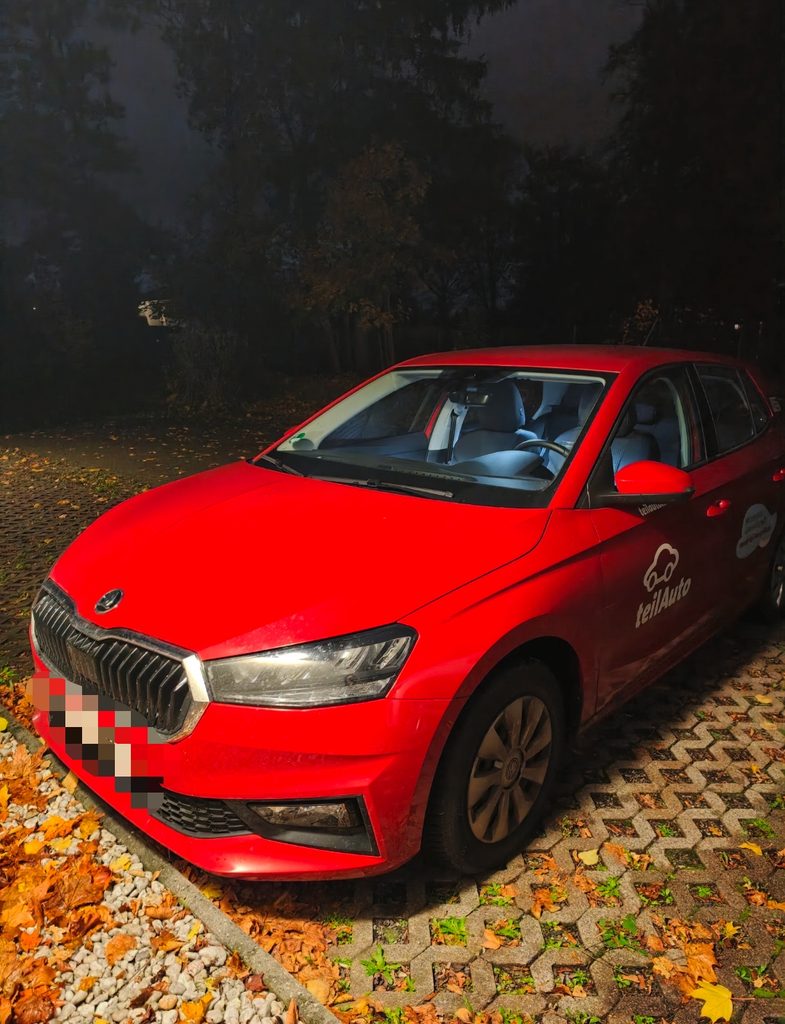
• The Intervention: While public transit is highly cost-effective, fixed timetables can introduce major friction when time is tight. I decided to override the public routes entirely by booking a shared car from Chemnitz.
• The Result: Picking her up right at her workplace cut out the transit delay entirely, preserving precious family hours and showing how a flexible vehicle option can bypass rigid schedules.
3. Dynamic Rerouting and the Reality of Refueling
In the real world, execution errors happen. While rushing back to Chemnitz to grab supplies for my friend before the shops closed, I accidentally boarded the wrong bus line.
Instead of stressing or wasting energy backtracking, I executed a quick dynamic detour: I found the closest open grocery store directly along my new, accidental route, finished the shopping, and headed straight back to the apartment to swap out gear.
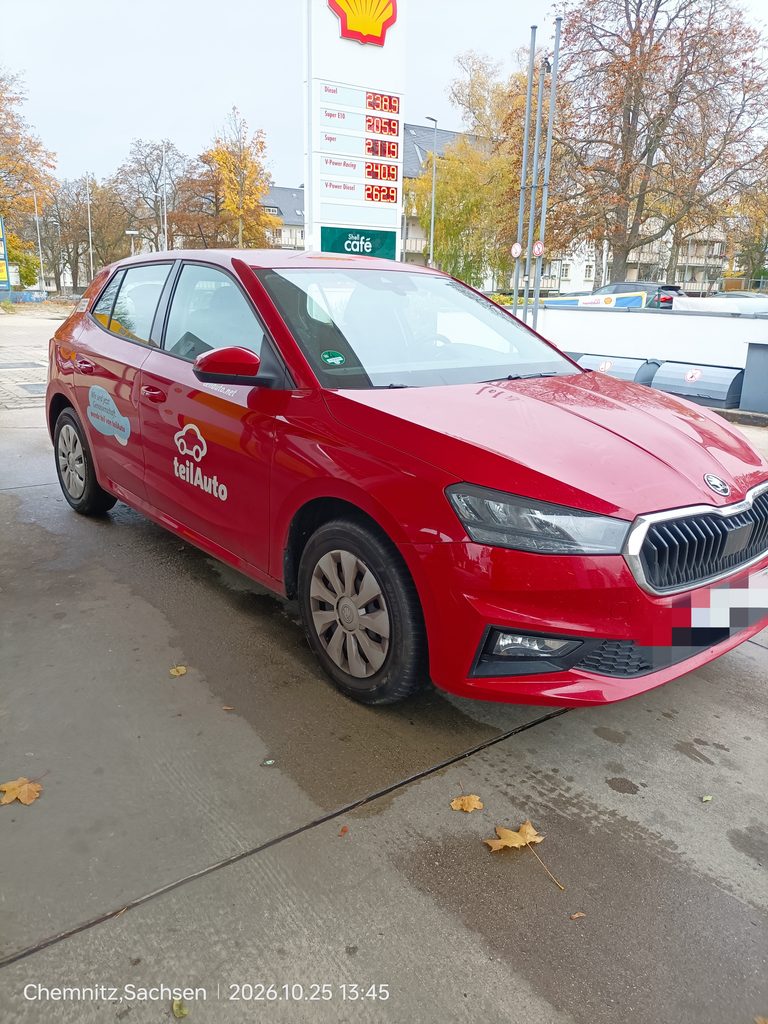
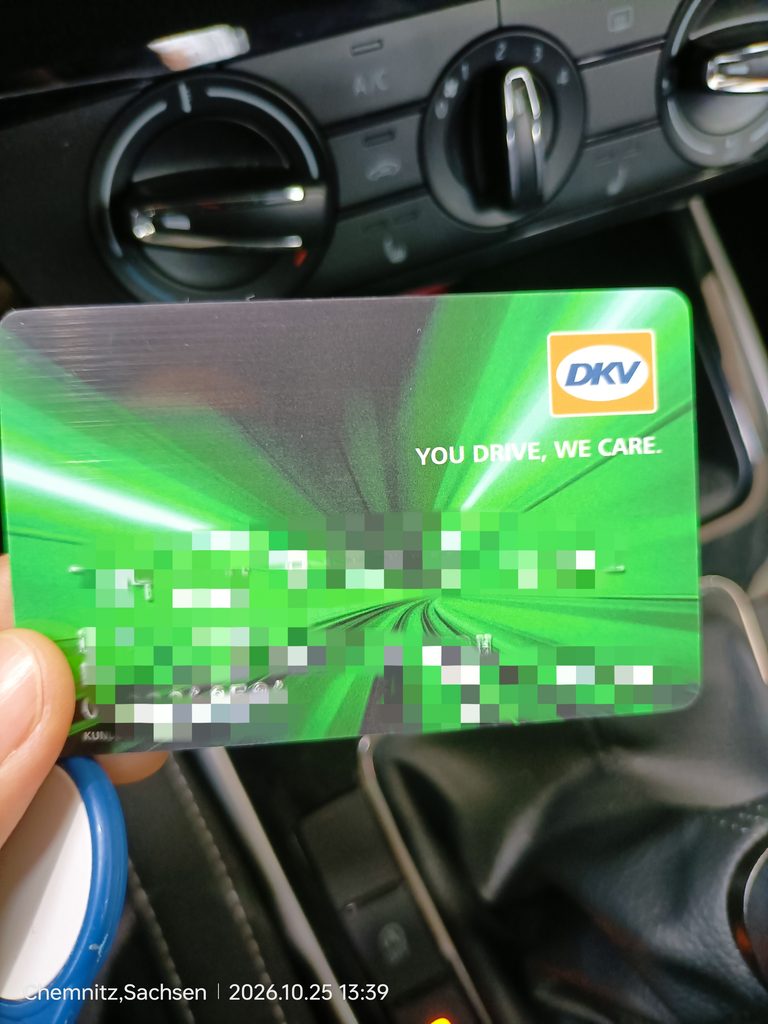
Navigating shared infrastructure also means mastering the minor operational rules that keep the system running smoothly. For instance, when refueling a teilAuto car, you have to use the dedicated fuel card stored inside the vehicle and manually enter the exact odometer reading (Kilometerstand) at the payment terminal. Knowing these operational details keeps your transitions completely seamless.
4. Gaming Platforms as a Sandbox for Security Engineering
Logistics isn’t just about physical transportation; it is also about data, simulations, and testing environments. While spending Sunday afternoon hanging out and watching over my friend’s son, he walked me through the gameplay mechanics, weapons, and character skins of Fortnite.
From a tech and safety engineering perspective, modern gaming platforms offer an incredible structural lesson. Building a digital twin or a simulated replica of safety devices and weapons within a real-time, sandbox platform is a brilliant way to stress-test systems and scan for hidden vulnerabilities. Mapping out potential body damages or structural structural failures instantly in a virtual world can massively accelerate how we design rapid prevention and treatment tech.
📬 Get the Blueprint First
Want to deeply optimize your daily commutes, lower your operational overhead, and build bulletproof transit contingencies?
I have packaged this exact framework into a comprehensive, actionable playbook: The Fluid Logistics Blueprint: Reclaiming Time with Multi-Modal Systems.
Inside this tactical PDF book, you will unlock:
• The Multi-Modal Matrix: How to seamlessly blend public transit tokens with localized car-sharing networks.
• Contingency Mapping: Step-by-step templates to identify and bypass single points of failure in your commute.
• Digital Twin Mechanics: Applying sandbox and simulation thinking to optimize real-world side-hustle operations.
📅 Official Launch Coming Next Weekend!
I am currently finalizing the deployment of The Fluid Logistics Blueprint: Reclaiming Time with Multi-Modal Systems to Amazon KDP.
In the meantime, feel free to analyze the rest of this post to see how resilient kindness—like bypassing a crowded transit line to rescue a friend from a grueling two-hour commute wait—coexists with hyper-optimized scheduling. Turns out, great logistics isn’t just about saving minutes; it’s about protecting the people in your network.
👉 Check back right here on the Sentinel Blueprint Sale Page this coming weekend for the official launch and purchase link!